
React Native development
React Native: JS-world cross-platform mobile
React Native is the fastest path when your team already has React / TypeScript expertise — one codebase for iOS + Android.
Quick answer
React Native development with JavaScript / TypeScript for iOS and Android cross-platform mobile. Fast delivery via Expo or bare workflow.
MVPs ship in weeks via Expo workflow; products needing deep native modules ship in months via bare workflow.
Our React Native development standard
- TypeScript-first, strict mode
- Expo or bare workflow — chosen per project
- Automated release via EAS Build / Fastlane
- React Query or Zustand state management
- 60fps animation with React Native Reanimated
100+
Projects shipped
10+
Years of experience
96
City coverage
4.9/5
Customer rating
Expo or bare workflow?
Expo is the fastest path for MVPs and mid-size React Native products. Native module management, build pipeline, OTA updates — all integrated into Expo's tools. We typically launch Expo projects in 4–6 weeks.
Bare workflow is needed when adding native iOS / Android code becomes necessary. Specialized sensors, heavy BLE, AR / VR — these live there. We decide during discovery; sometimes we start on Expo and migrate to bare workflow.
State management and architecture
Our most-used combo is React Query (server state) + Zustand (client state) — preferred over Redux due to lower bundle size and less boilerplate.
Feature-based folder structure, TypeScript strict mode, ESLint + Prettier, Husky pre-commit hooks — quality infrastructure on day one. New developers ramp up quickly.
Animation and performance
React Native Reanimated 3 runs animations on the native thread — 60fps is normal. With Skia integration, complex graphics don't load the JS thread.
We migrate to the New Architecture (Fabric + TurboModules) which significantly improves React Native performance. Hermes engine ships with launch, JS engine memory minimal.
Release and OTA updates
Automated build and release via EAS Build (Expo's cloud build service) or Fastlane (for bare workflow). Beta distribution via TestFlight and Play Store internal track.
OTA update is one of React Native's biggest advantages. Small changes (content, bug fixes) reach production in hours without an App Store release. Powerful for products that need fast iteration.
Frequently asked questions
React Native uses JavaScript / TypeScript, easy to adopt if your team has React. Flutter uses Dart and renders with its own engine. We decide based on team expertise.
Expo fits most projects. When adding native iOS / Android code becomes necessary, you migrate to bare workflow. The migration is real but doable — we plan for it from the start.
Yes, aligned with App Store and Google Play 'minor change' policy. Major feature changes still go through full release.
Yes. Actively developed by Meta and used in production (Facebook, Instagram, Discord). New Architecture makes the future solid too.
Yes. We start with a code review + roadmap revision; week two locks the roadmap; from week three onward feature delivery resumes.
Locations
Locations where we ship React Native projects
We work with companies across global hubs for React Native development. The locations below are where we deliver most often.
Selected projects
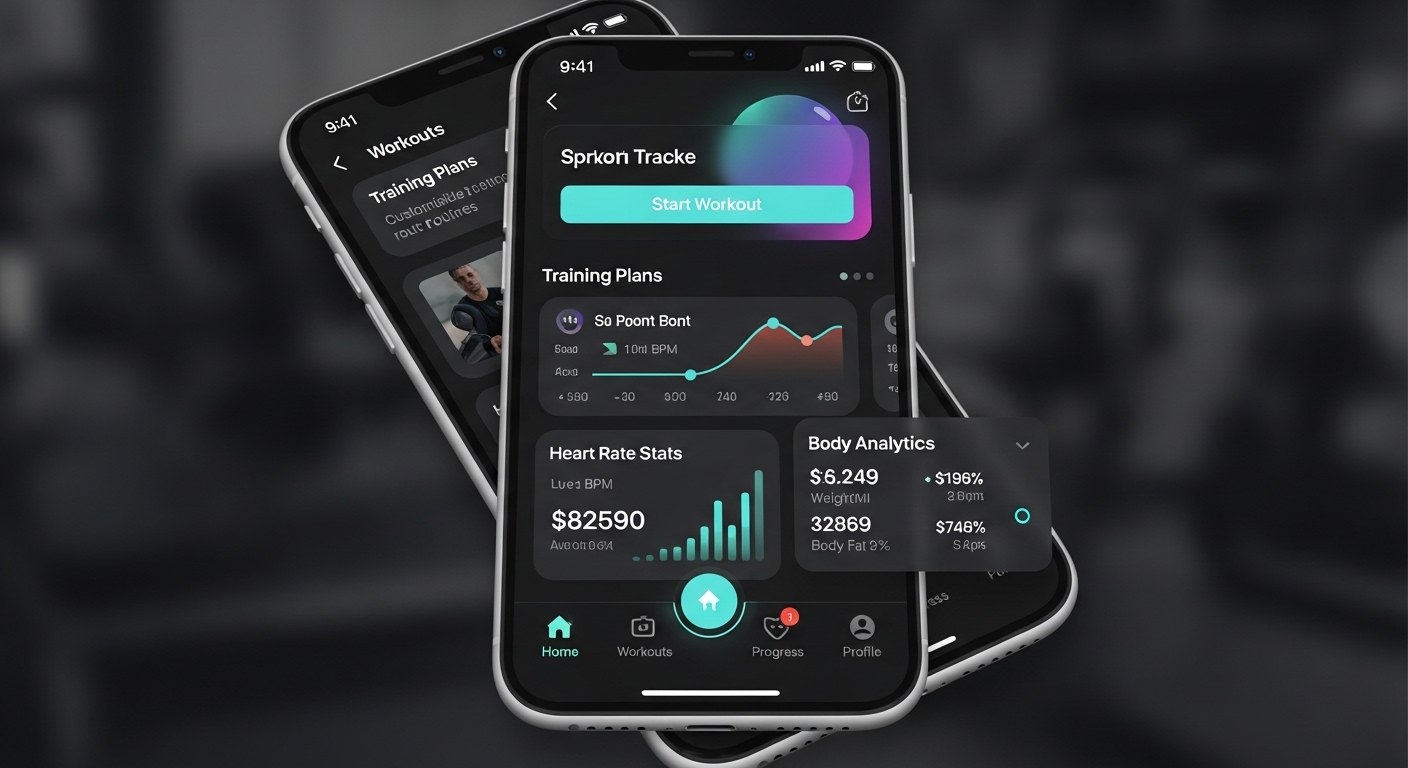
FitTrack Mobile App
Personal fitness tracking and workout planning app. 50,000+ active users on iOS and Android platforms.

ShopZone E-Commerce Platform
Multi-vendor e-commerce platform. Integrated payment system, inventory management, and analytics dashboard.
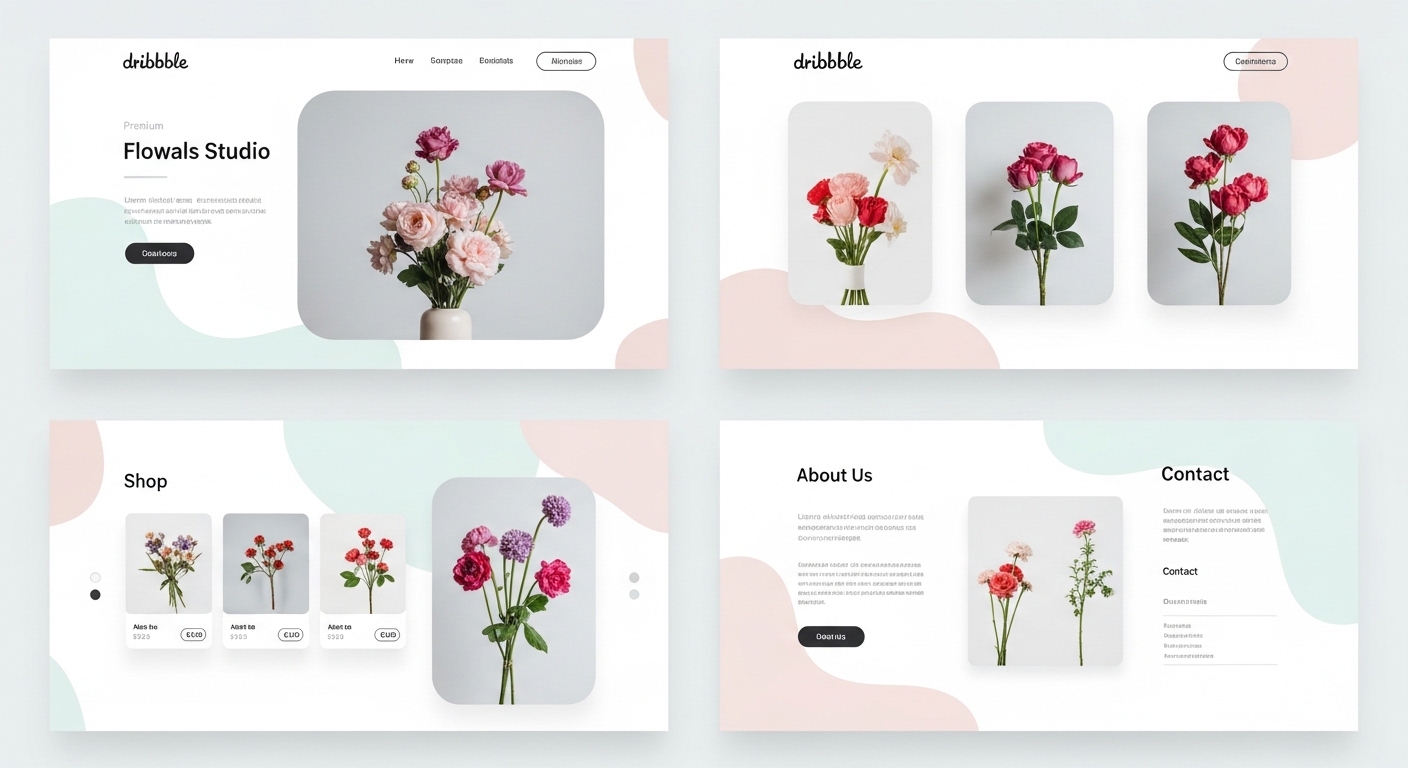
Nova Corporate Website
Modern corporate website for Nova, an energy sector company.
Related guides
Articles to read before deciding on React Native
Guides on RN / Flutter / native choice.
Process
Mobile App Development Process 2026: Idea to Launch in 4 Phases
We split mobile app development into four clear phases — discovery, design, development, and launch — and detail each phase's deliverables, duration, and risks.
9 min
Cost Analysis
Mobile App Cost in 2026: What Actually Sets the Price?
$10K or $200K? Mobile app cost is set by 7 line items: scope, backend, integrations, native need, testing+security, maintenance, phased approach. Concrete ranges per item.
9 min
Decision Guide
iOS or Android First in 2026: Budget + Market + Strategy Decision
Which platform first? Market share + user value + budget + monetization + review speed + native need. 8-heading data-driven guide.
9 min
Start a conversation about your React Native project
After a 30-minute discovery call we evaluate whether React Native is the right choice.