
Cross-platform app
Cross-platform app: one codebase, two stores
Cross-platform mobile app is the most economical and fastest way to ship to iOS and Android at the same time — one team instead of two.
Quick answer
Cross-platform app development: one codebase for iOS + Android, parallel delivery via Flutter or React Native.
Flutter and React Native are today's two main cross-platform paths. We pick which one fits your product during the discovery call.
Our cross-platform delivery standard
- Flutter or React Native — chosen per project
- One codebase, parallel iOS + Android release
- Native-feeling animation and gestures
- Backend, auth, push set up once
- Post-launch maintenance with one team
100+
Projects shipped
10+
Years of experience
96
City coverage
4.9/5
Customer rating
Why cross-platform makes sense
The core rationale for cross-platform: a team shipping to two stores in parallel matches roughly half the weekly delivery speed of two separate native teams. Significant cost and time advantage.
Plus, business logic, validation, navigation, state management, and API layer all live in one codebase. New screens land on both platforms together; no parity tax between two teams.
Flutter or React Native — which is for you?
Flutter uses Dart and renders with its own engine. Identical look across platforms is guaranteed; great for design-driven products. Strong advantage on animation- and gesture-heavy projects.
React Native uses JavaScript / TypeScript, easy to adopt if you already have React. Rich JS ecosystem (analytics, A/B test tools). Code-sharing with web is possible.
Where native is required
The boundaries of cross-platform are clear: very specialized sensör work (BLE at protocol level), complex AR / VR, native widgets (iOS Live Activities, Android home widgets), AAA-tier games. Here we write native modules and connect them to the cross-platform project.
This '80% cross-platform + 20% native' model is healthiest in most cases. Native scoped to need, the rest delivered in parallel.
Cost and time difference
One cross-platform team instead of two native teams: 30–50% more economical with parallel delivery time advantage. MVP fixed 4–6 weeks, mid-size product 8–12 weeks.
Post-launch maintenance also fits one team — the monthly support package runs with one cross-platform team instead of two.
Frequently asked questions
Yes for most products — 60fps animation, smooth scroll, fast backend calls. AAA games, heavy graphic manipulation, or BLE protocol-level work make native safer.
We decide on team expertise (React vs. Dart), design complexity, and performance need. After a 30-minute discovery call we share a written recommendation.
With cross-platform's single codebase, two-store releases run in parallel. Build times are 5–10 min in Flutter, 8–15 min in RN; one team is much faster than two.
Platform channels in Flutter, native modules in RN — we connect native iOS / Android code to the cross-platform project. Common practice.
Usually 95%+. Native-required modules stay separate; the rest of the business logic is shared.
Locations
Locations where we ship cross-platform projects
We receive cross-platform app development requests from companies across global hubs.
Selected projects
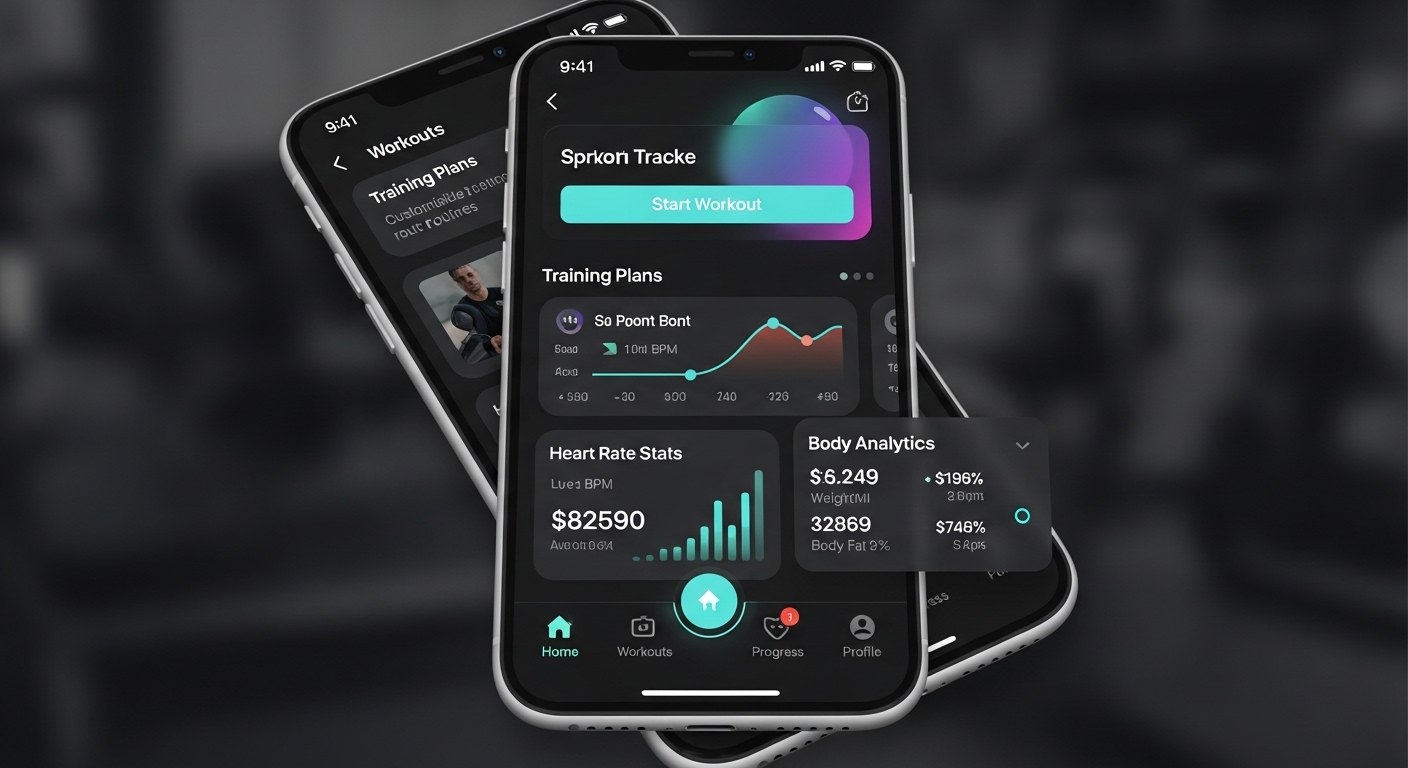
FitTrack Mobile App
Personal fitness tracking and workout planning app. 50,000+ active users on iOS and Android platforms.
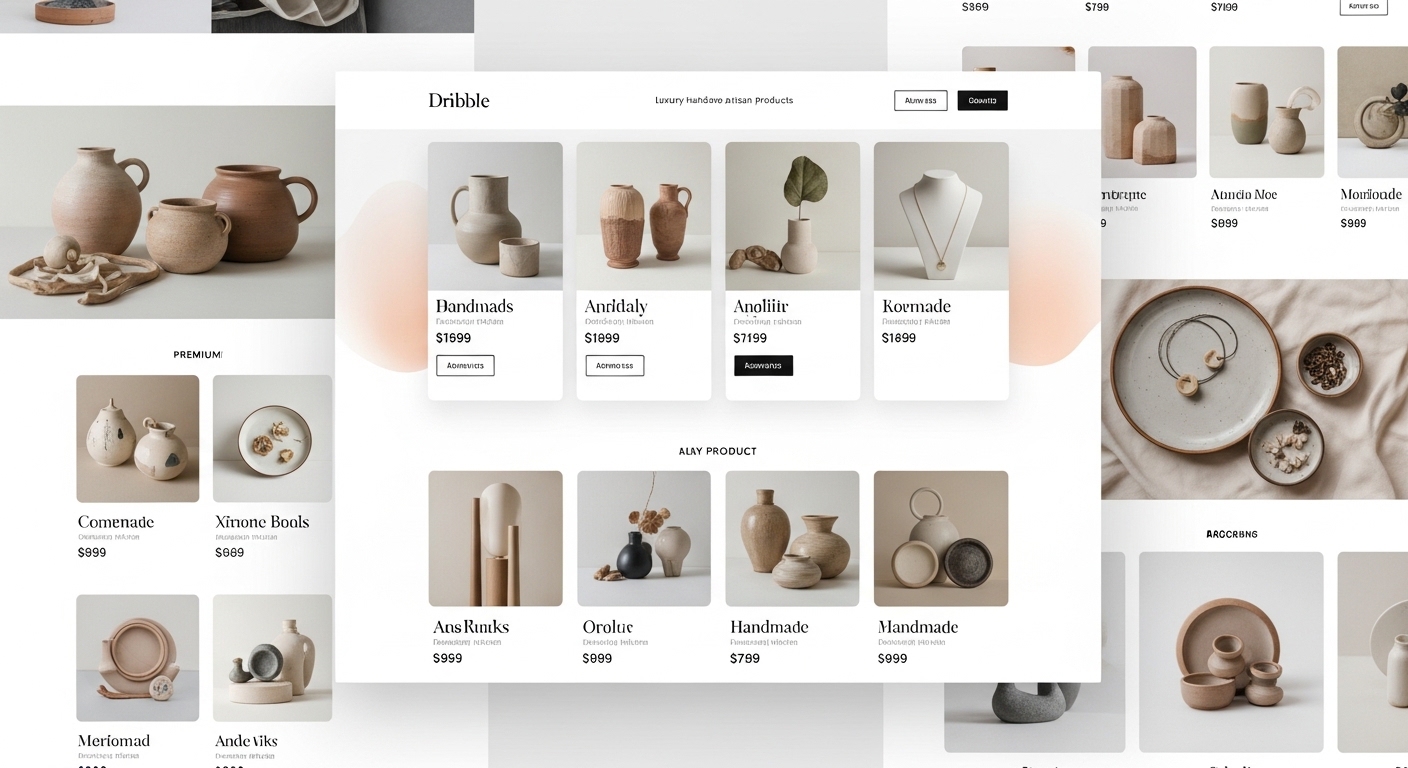
ShopZone E-Commerce Platform
Multi-vendor e-commerce platform. Integrated payment system, inventory management, and analytics dashboard.
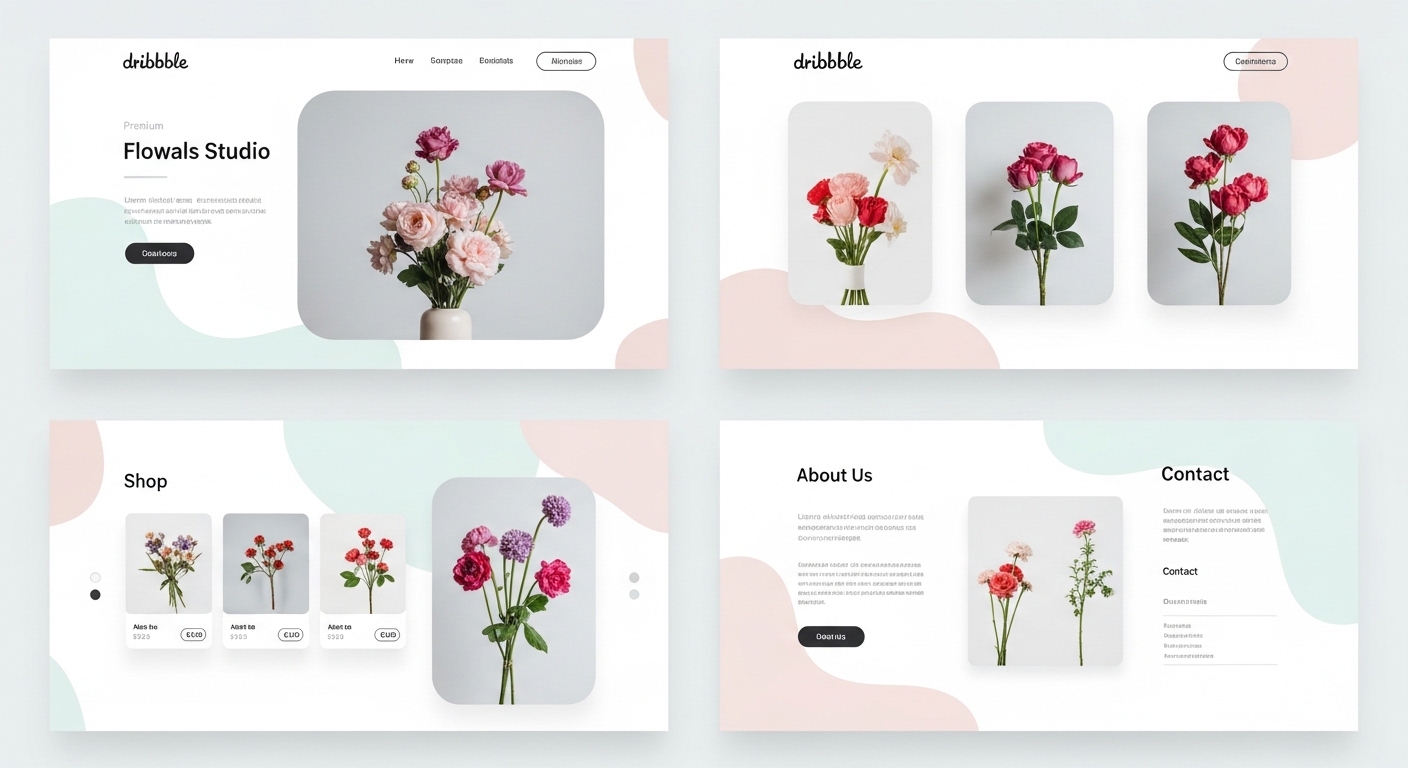
Nova Corporate Website
Modern corporate website for Nova, an energy sector company.
Related guides
Articles to read before deciding on cross-platform
Guides on RN / Flutter / native choice.
Process
Mobile App Development Process 2026: Idea to Launch in 4 Phases
We split mobile app development into four clear phases — discovery, design, development, and launch — and detail each phase's deliverables, duration, and risks.
9 min
Cost Analysis
Mobile App Cost in 2026: What Actually Sets the Price?
$10K or $200K? Mobile app cost is set by 7 line items: scope, backend, integrations, native need, testing+security, maintenance, phased approach. Concrete ranges per item.
9 min
Decision Guide
iOS or Android First in 2026: Budget + Market + Strategy Decision
Which platform first? Market share + user value + budget + monetization + review speed + native need. 8-heading data-driven guide.
9 min
Start a cross-platform project call
After a 30-minute discovery call we share whether Flutter or React Native is right, in writing.