
Python development
Python: the strongest choice for data-heavy projects and AI backends
Enterprise data management with Django, sub-millisecond API response with FastAPI — two frameworks, one expert team.
Quick answer
Python development service: Django for enterprise backend, FastAPI for high-performance APIs, and ML/AI integration. Expert Python team in Turkey.
E-commerce analytics platforms, fintech APIs, ML model services, CRM backends — 40+ projects delivered with Python.
Our Python stack standards
- Django 5 + Django REST Framework
- FastAPI + Pydantic v2
- PostgreSQL + Redis
- Celery async task queue
- Docker + CI/CD pipeline
100+
Projects shipped
10+
Years of experience
96
City coverage
4.9/5
Customer rating
Why Python backend?
Python is the de facto standard for data-intensive applications, scientific computing, and machine learning integration. According to the Stack Overflow Developer Survey 2024, it's the third most popular language — and number one in fintech and AI.
Compared to Node.js, Python's strengths are native ML/AI libraries (NumPy, Pandas, scikit-learn, PyTorch), a mature ORM ecosystem, and depth in data-pipeline tooling. For API-heavy, thin backend projects Node.js is a valid choice; for analytics, ML integration, or heavy computation, Python is the natural pick.
Enterprise backend with Django
Django's 'batteries included' philosophy ships a full ORM, auth, admin panel, cache layer, and migration system. The default choice for SaaS, ERP, and CRM projects with large data models.
On CreativeCode Django projects: custom user model, JWT + refresh token auth, role-based permissions, multi-tenant schema isolation, async ORM (Django 4.1+), Celery + Redis queue. Every project is delivered with 90%+ test coverage and OpenAPI 3 documentation.
High-performance API with FastAPI
FastAPI handles 50,000+ requests per second with async Python. Automatic request/response validation via Pydantic v2, auto-generated OpenAPI schema, and interactive Swagger UI — zero extra config.
AI model serving, real-time scoring API, fintech payment endpoints, or high-traffic mobile backends — FastAPI is the standard pick. With horizontal scaling on Kubernetes, per-click cost in production stays on par with TypeScript alternatives.
ML/AI model integration
A significant portion of Python projects now include an ML inference layer. OpenAI API, Hugging Face model, custom scikit-learn/XGBoost, or PyTorch model — connecting to a FastAPI endpoint is 1-3 days of work.
Batch prediction (Celery + Redis), real-time prediction (FastAPI async endpoint), vector search (pgvector, Pinecone) — we turn your data scientists' models into production APIs.
Project process and delivery standards
Week one: technical requirements, existing system audit, data model design. Weeks 2-4: core domain logic, API layer, test coverage. Week 5+: staging environment, integration tests, monitoring setup.
Every delivery package includes: a locally runnable Docker Compose environment, .env.example documentation, Postman collection and OpenAPI spec, 90%+ unit test coverage, runbook.
Frequently asked questions
If the project is primarily data analysis, ML integration, or heavy computation — Python. For API-heavy, thin backend (mobile/web frontend service) projects, Node.js + TypeScript offers faster onboarding. We also work in hybrid architectures: Node.js main API + Python ML service.
Django: ORM-heavy, needs admin panel, complex auth/permission, large data model — enterprise/SaaS. FastAPI: high throughput, async, ML model serving, simple data model — AI backend and fintech API. Both can coexist in the same project.
6-10 weeks depending on data model and feature scope. FastAPI + PostgreSQL + basic auth skeleton: 1 week; core business logic: 3-4 weeks; test + staging + monitoring: 2-3 weeks.
SQL injection: parameterized queries (Django ORM / SQLAlchemy), never raw SQL strings. XSS: Pydantic validation, output encoding. Auth: JWT short-lived + refresh token rotation, bcrypt hash. Secrets: environment variables, never in code.
Yes. We start with a code quality audit, test coverage measurement, and technical debt analysis. After the report we jointly define the takeover scope.
Locations
Locations where we deliver Python projects
We receive Python backend development requests across global hubs.
Selected projects
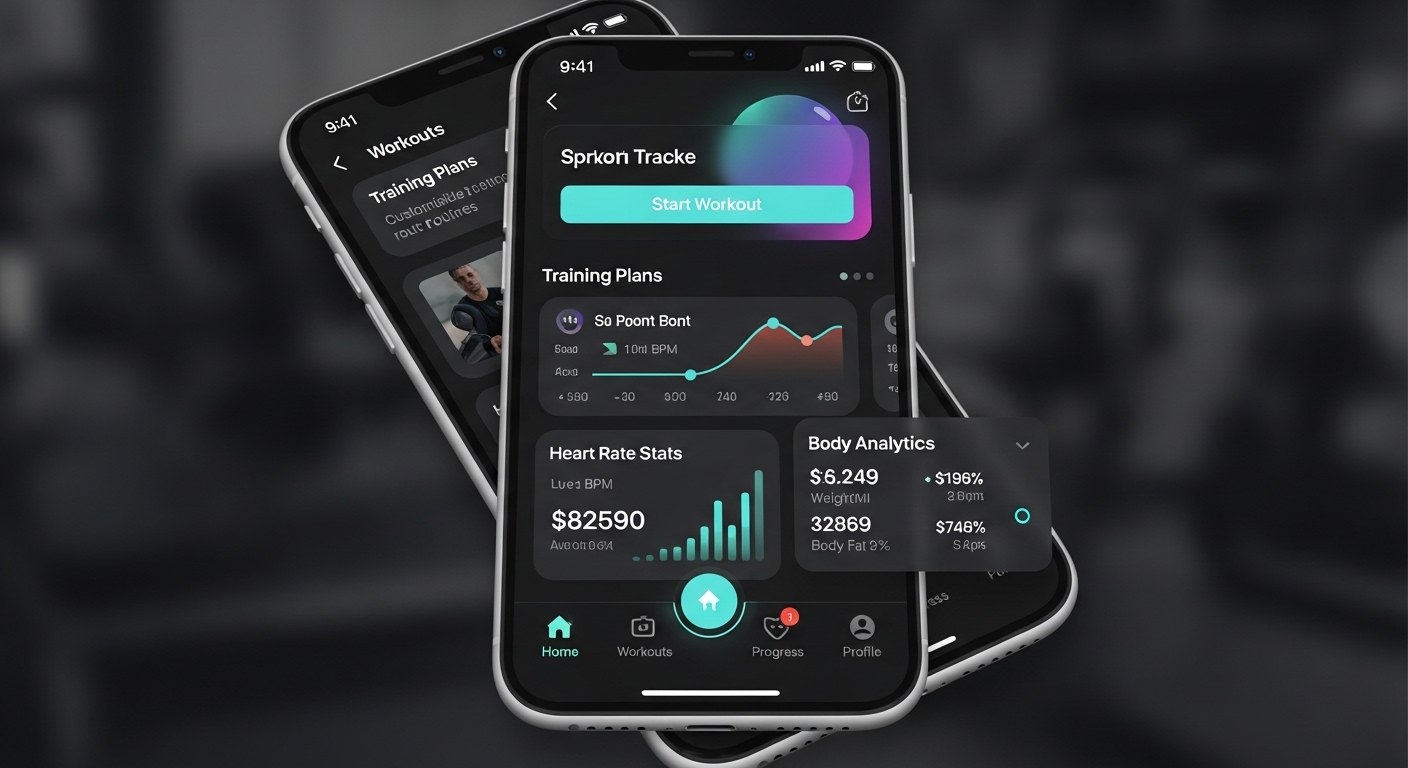
FitTrack Mobile App
Personal fitness tracking and workout planning app. 50,000+ active users on iOS and Android platforms.

ShopZone E-Commerce Platform
Multi-vendor e-commerce platform. Integrated payment system, inventory management, and analytics dashboard.
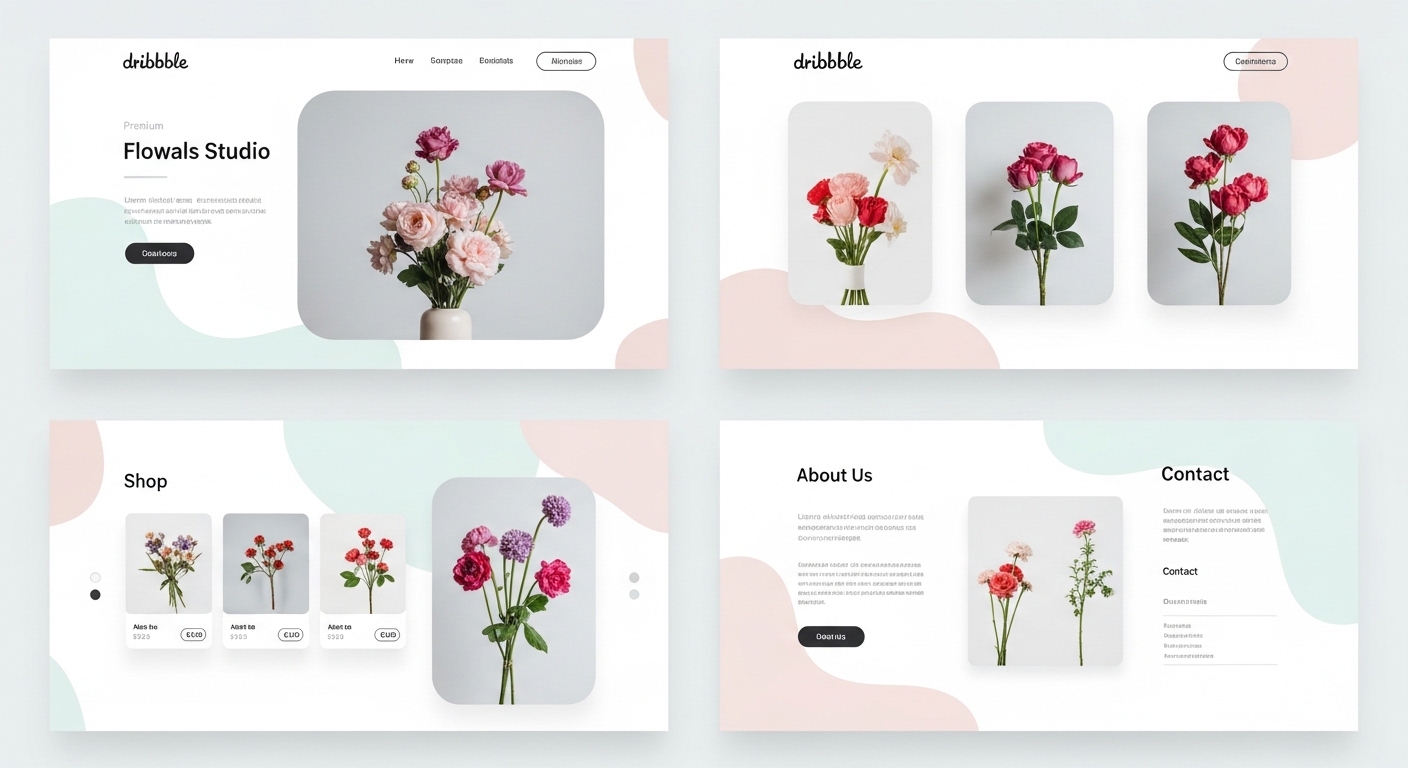
Nova Corporate Website
Modern corporate website for Nova, an energy sector company.
Related guides
Articles to read before deciding on Python
Backend technology selection and software development guides.
Software Development
Software Development Methods 2026: Modern Stack, Process and Discipline
Stack selection, architecture, test strategy, CI/CD, AI-assisted coding, observability, team rhythm. 8-heading modern software discipline.
9 min
Enterprise
ERP Software Selection Criteria 2026: Off-the-Shelf or Custom?
SAP, Logo, Mikro or custom ERP? 8 headings on TCO, process-fit, regulation, scale, team, ROI, exit strategy decision matrix.
9 min
AI
AI Chatbot Customer Support Automation 2026: Detailed Guide
From rule-based to LLM + RAG, escalation, measurement, omnichannel, KVKK, team training, ROI. 8-heading implementation guide.
9 min
Start a Python project
In a 30-minute discovery call we clarify technology choice, data model, and estimated timeline together.