
Backend development
Backend: the unseen spine of your product
Backend development is the unseen layer where all performance and security live.
Quick answer
Backend development: REST/GraphQL APIs, Postgres + Prisma, BullMQ job queue, Redis cache — high-performance and scalable backend.
Node.js, Python (FastAPI / Django), Go — chosen per project. Type-safe DB layer with Postgres + Prisma. API in REST, GraphQL, or tRPC.
Standard for backend delivery
- TypeScript / Python / Go — per project
- Postgres + Prisma type-safe DB
- Right pick across REST + GraphQL + tRPC
- BullMQ job queue + Redis cache
- OpenTelemetry distributed tracing
100+
Projects shipped
10+
Years of experience
96
City coverage
4.9/5
Customer rating
Backend architecture choice
Decision points in backend development: language (Node.js, Python, Go, PHP), framework (Express, NestJS, FastAPI, Django, Gin), database (Postgres, MySQL, MongoDB), API type (REST, GraphQL, tRPC), deployment (serverless, container, VM).
For most modern projects, Node.js + TypeScript + Postgres + Prisma + tRPC is the fastest, most sustainable path. Your team's expertise can shift the choice; we make it during discovery.
Database design and performance
70% of backend issues stem from poor database design. We design a normalized, indexed, foreign-key-enforced Postgres schema. Prisma ORM ensures type-safe DB access.
N+1 query problem, missing indexes, full table scans — these are the main causes of production slowness. We check every critical query with EXPLAIN ANALYZE and add the right indexes.
Background jobs and queues
Sending emails, image processing, AI calls, large data exports — all run in a background queue. Our standard combo is BullMQ + Redis.
Failure handling: exponential backoff retry, dead-letter queue, job scheduling (cron). This infrastructure is the foundation of product scalability.
Security and compliance
Backend security basics: input validation (Zod), SQL injection prevention (parameterized queries / Prisma), authentication (JWT, session, OAuth), authorization (RBAC), rate limiting, CSRF protection, secrets management.
When GDPR / KVKK / PCI-DSS compliance is required, audit log, encryption at rest, and encryption in transit are standard. Compliance is brought into scope from day one.
Frequently asked questions
Internal full-stack TypeScript projects: tRPC is fastest. Public APIs: REST is most common. When the frontend has very different data needs, GraphQL fits better.
Postgres is the first pick for relational data (most enterprise products). MongoDB suits document-based needs (CMS, logs, event store). MySQL when an existing ecosystem requires it.
Serverless (Vercel, Railway, Fly.io) is the fastest path for small/mid projects. K8s container is more flexible at large scale. We decide based on traffic profile and cost.
Yes. Code review + roadmap revision-based takeover. Week one — technical-debt inventory, week two — roadmap.
Modular monolith (modular code, single deployment) in most of our projects — operational complexity drops. We migrate to microservices gradually when truly needed.
Locations
Locations where we ship backend projects
We deliver backend development across global hubs.
Selected projects
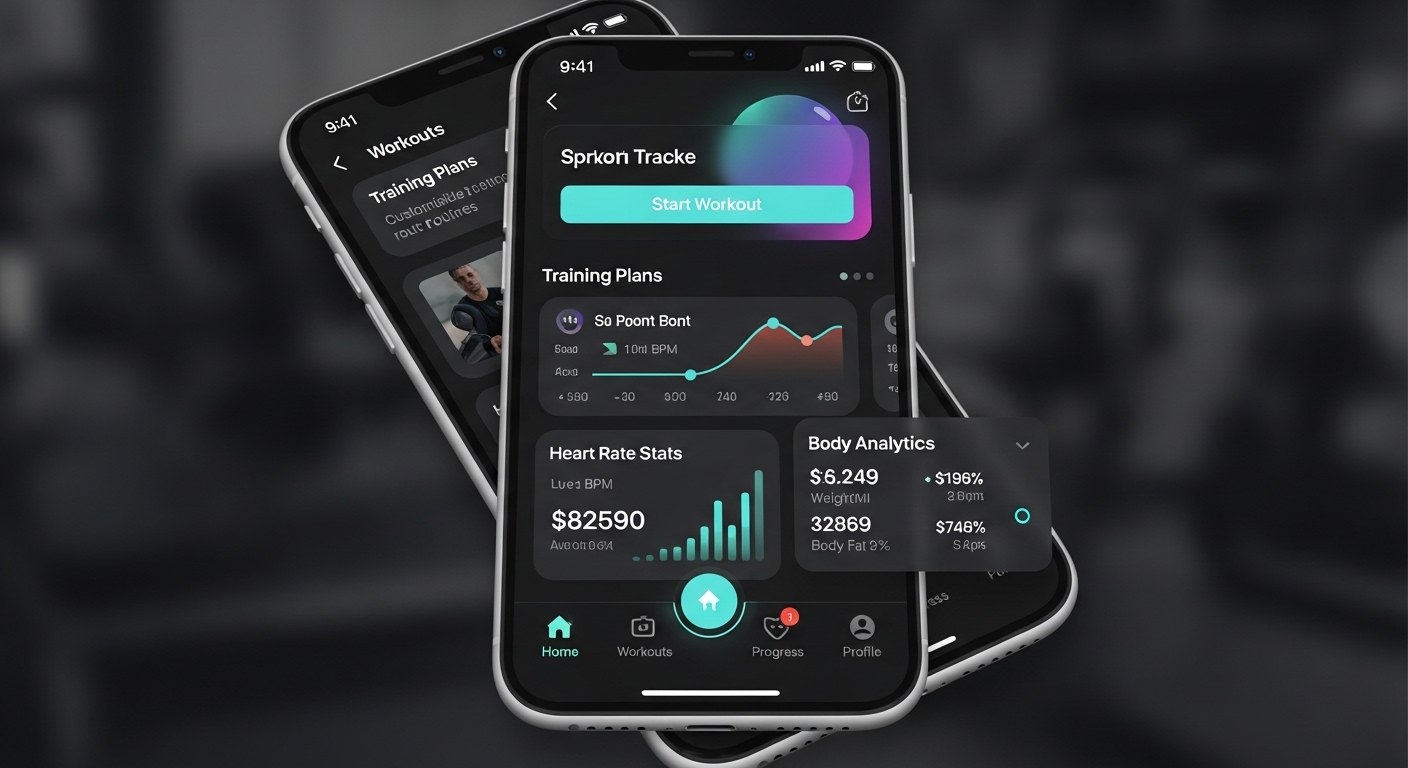
FitTrack Mobile App
Personal fitness tracking and workout planning app. 50,000+ active users on iOS and Android platforms.
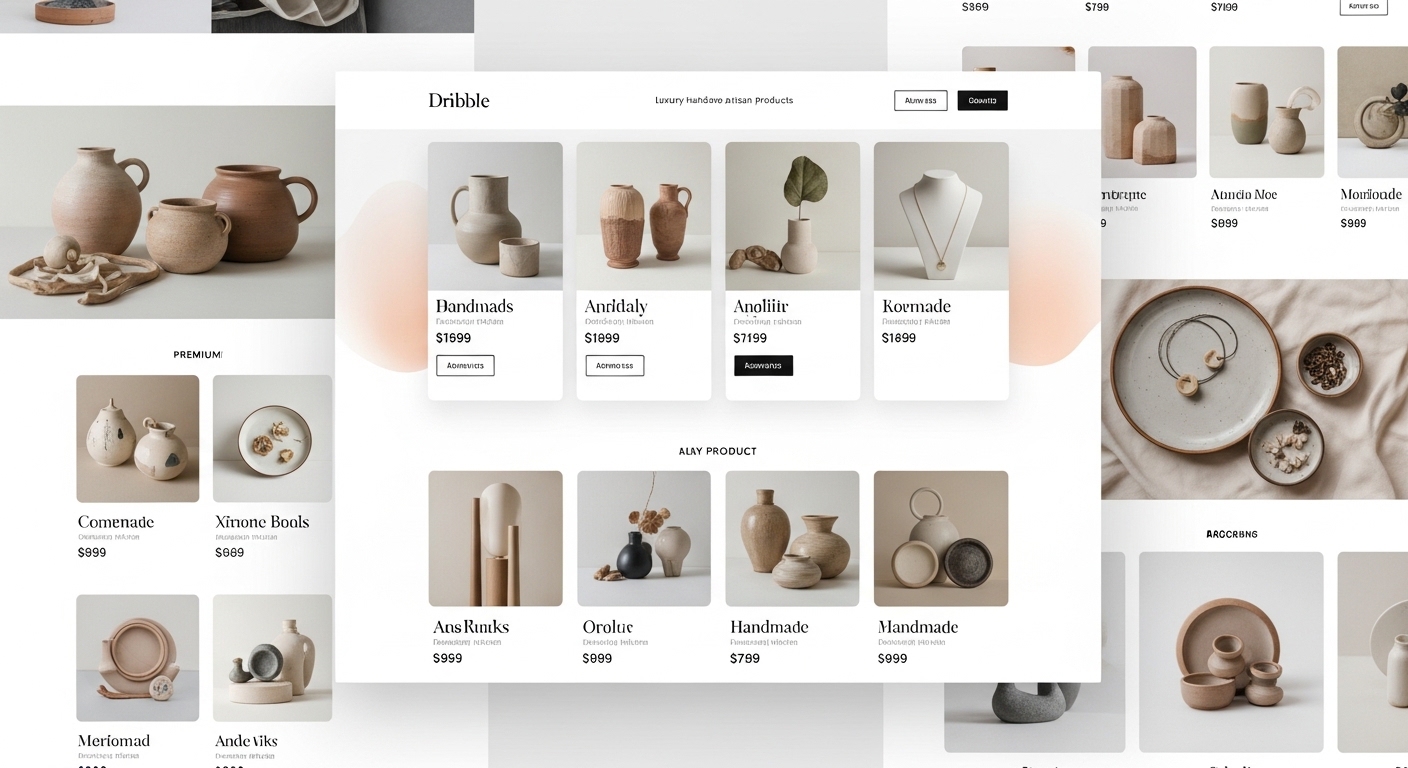
ShopZone E-Commerce Platform
Multi-vendor e-commerce platform. Integrated payment system, inventory management, and analytics dashboard.
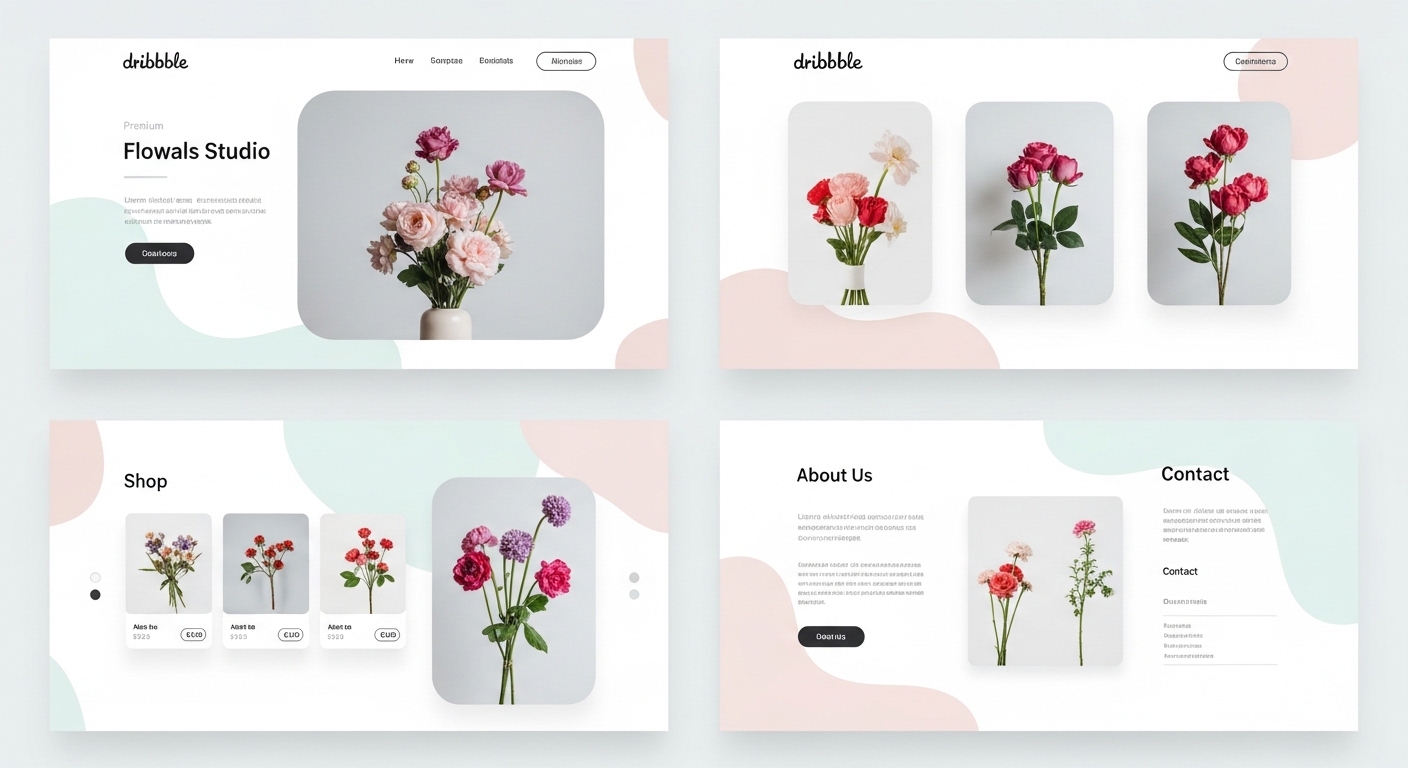
Nova Corporate Website
Modern corporate website for Nova, an energy sector company.
Related guides
Articles to read before deciding on backend
Guides on backend stack choice.
Software Development
Software Development Methods 2026: Modern Stack, Process and Discipline
Stack selection, architecture, test strategy, CI/CD, AI-assisted coding, observability, team rhythm. 8-heading modern software discipline.
9 min
Tech Comparison
Next.js vs React (Vite) 2026: Modern Web Decision Guide
RSC, routing, performance, SEO, deploy, bundle, ecosystem, migration. 8-heading data-driven Next.js vs React/Vite decision matrix.
9 min
Decision Guide
Corporate Website vs E-commerce 2026: Detailed Decision Guide
Sales model, volume, content, architecture, SEO, cost, hybrid + sector scenarios. 8-heading data-driven decision matrix.
9 min
Start a backend project
After a 30-minute discovery call we share our backend stack recommendation in writing.