
Software development
Software development: balance of scale, quality, and speed
Three axes drive software development: scale (1k users to 1M), quality (tests and monitoring), and speed (week-based delivery).
Quick answer
Software development with a modern stack (Next.js, Node.js, Postgres) — scalable, sustainable, and tested enterprise software delivery.
Each grows without sacrificing the others. We guarantee that with a modern stack (Next.js / Node.js / Postgres / Prisma) and a clear process structure.
Standard for software development delivery
- Modern stack: Next.js + Node.js + Postgres + Prisma
- TypeScript strict mode, ESLint, Prettier, Husky
- Test pyramid: unit + integration + E2E (Playwright)
- CI/CD pipeline with automated deploy
- Sentry + GA4 for error and usage monitoring
100+
Projects shipped
10+
Years of experience
96
City coverage
4.9/5
Customer rating
Choosing tech in software development
Choosing tech is the biggest technical decision a software development project carries through its life. Which languages does the team know? How fast must we ship? What is the scale target? We answer these three together to choose Next.js, NestJS, Django, Laravel, or similar.
For most enterprise products we recommend Next.js + Node.js (NestJS or Express-based) + Postgres + Prisma. The stack is modern, sustainable, and ecosystem-rich, supporting long-term team continuity.
Tests, quality, and continuous integration
Test coverage isn't optional in software development — a codebase that fails to catch regressions while bugs are fixed and features added accumulates technical debt. Unit tests for every function, integration tests for critical flows, E2E tests for user journeys.
On GitHub Actions / GitLab CI we run automated tests on every PR and auto-deploy to staging. Production goes through manual approval.
Architecture and database design
70% of software development projects pay for poor database design. We design a normalized, indexed, foreign-key-enforced schema in Postgres. Prisma ORM gives type-safe DB access — runtime errors shift to compile-time.
Microservices vs. monolith is decided by scale need. Most projects do best as a modular monolith (single deployment, modular code) — operational complexity drops considerably.
Continuous delivery and refactor
Software development isn't 'finish and deliver' — it's continuous delivery. We add features in weekly sprints and reduce technical debt in the same sprints. Each sprint ends with demo + retrospective.
Code review is required — every PR needs at least one approval. This preserves quality and grows shared knowledge of the codebase.
Frequently asked questions
Scope (feature count), integrations (3rd-party APIs), test coverage, and team size. Fixed-scope quote is shared in writing after discovery.
Modular monolith (modular code, single deployment) is the right path for most projects. Migrating to microservices makes sense when scale needs are clear — starting with microservices is overkill.
Node.js (TypeScript), Python (Django/FastAPI), PHP (Laravel) on backend. React + TypeScript on frontend. Flutter or React Native on mobile. Decided per project requirement.
Yes. We start with code review + roadmap revision. Week one — technical-debt inventory, week two — roadmap, week three onward — feature delivery.
Monthly support packages: bug fixes, small feature additions, performance monitoring, security patching. We work month to month if contractual flexibility matters.
Locations
Locations where we ship software development projects
We deliver software development projects across global hubs.
Selected projects
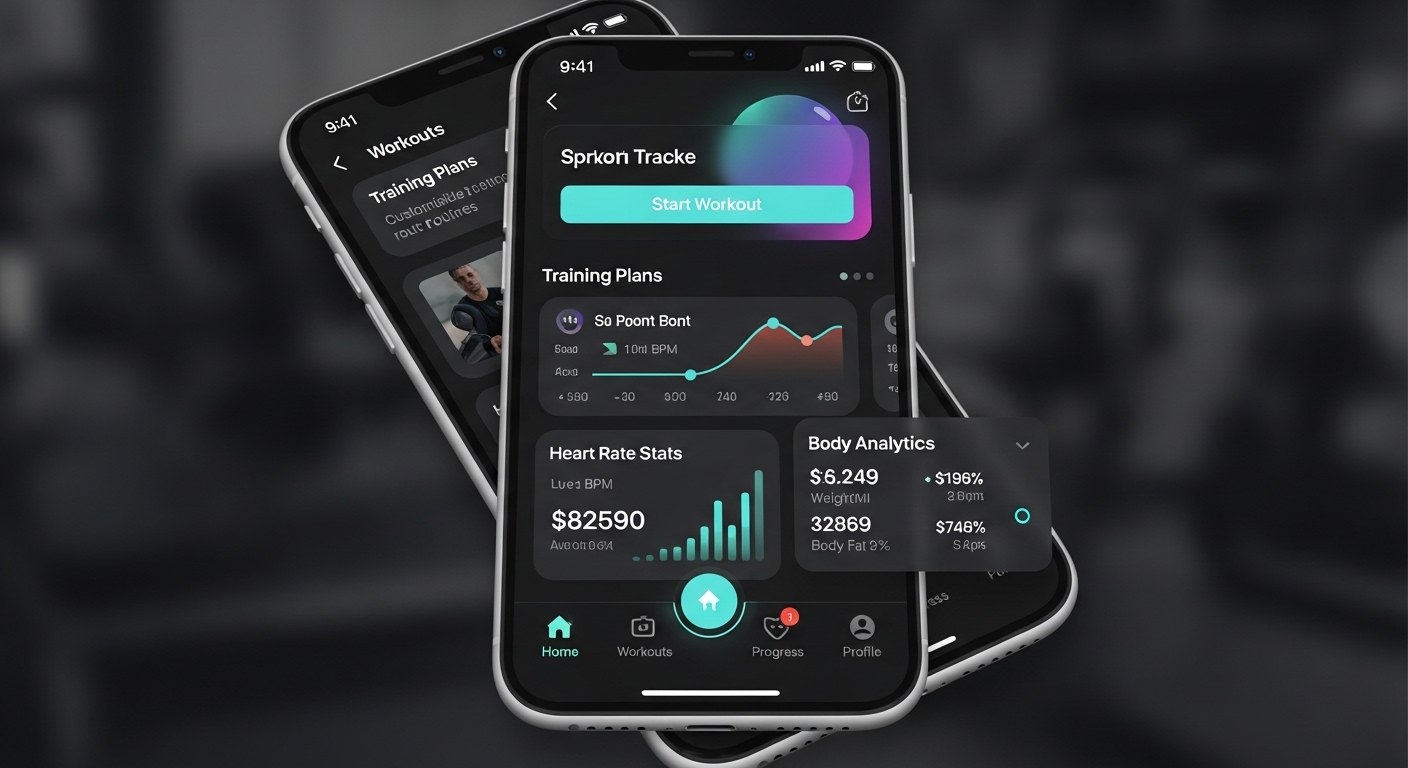
FitTrack Mobile App
Personal fitness tracking and workout planning app. 50,000+ active users on iOS and Android platforms.

ShopZone E-Commerce Platform
Multi-vendor e-commerce platform. Integrated payment system, inventory management, and analytics dashboard.
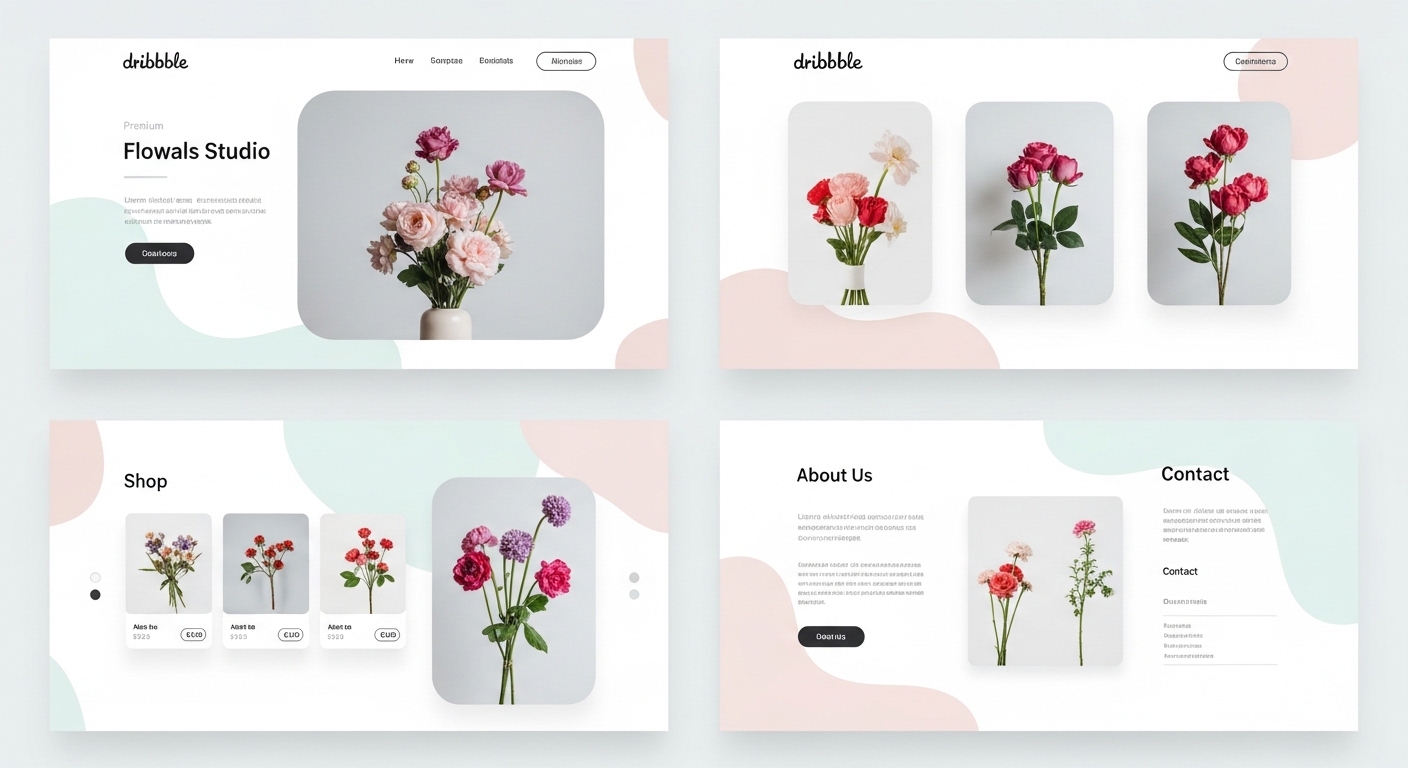
Nova Corporate Website
Modern corporate website for Nova, an energy sector company.
Other software development related services
Related guides
Articles to read before deciding on software development
Guides on process, architecture, and tech-stack choice.
Software Development
Software Development Methods 2026: Modern Stack, Process and Discipline
Stack selection, architecture, test strategy, CI/CD, AI-assisted coding, observability, team rhythm. 8-heading modern software discipline.
9 min
Tech Comparison
Next.js vs React (Vite) 2026: Modern Web Decision Guide
RSC, routing, performance, SEO, deploy, bundle, ecosystem, migration. 8-heading data-driven Next.js vs React/Vite decision matrix.
9 min
Decision Guide
Corporate Website vs E-commerce 2026: Detailed Decision Guide
Sales model, volume, content, architecture, SEO, cost, hybrid + sector scenarios. 8-heading data-driven decision matrix.
9 min
Start a software development call
30-minute discovery call is enough to review your existing software or shape a roadmap for a new project.