
API development
API: how your service talks to other systems
API development — REST, GraphQL, or tRPC-based, documented, versioned, and tested. Public API, internal API, or partner API.
Quick answer
API development: REST, GraphQL, or tRPC-based, documented, versioned, and tested API delivery service.
OpenAPI / GraphQL schema specs, automatic SDK generation, rate limiting, authentication, monitoring — end-to-end professional API delivery.
Standard for API development delivery
- REST + OpenAPI 3 spec
- GraphQL + schema-first design
- tRPC (TypeScript end-to-end)
- Auth: OAuth, API key, JWT
- Rate limit + caching + monitoring
100+
Projects shipped
10+
Years of experience
96
City coverage
4.9/5
Customer rating
REST, GraphQL, tRPC — which?
REST is the most widespread, most mature, most documented type. Standard pick for public APIs. Documented via OpenAPI 3 spec; SDK generation is automatic.
GraphQL: client picks exactly which fields it wants; solves over-fetching and under-fetching. Right for shared data needs across mobile + web.
tRPC: fastest path for full-stack TypeScript projects. End-to-end type safety; no SDK generation needed since TypeScript itself is the SDK.
API design principles
Resource-based URLs (REST) or schema-first design (GraphQL), consistent naming convention, pagination, filtering, sorting standardization, error format consistency (RFC 7807 problem details), versioning strategy (URL path or header).
These aren't 'details'; they shape the 5–10-year usability of your API. Badly designed APIs need breaking changes later, which annoys your users.
Auth and security
API auth options: OAuth 2.0 (third-party access), API key (server-to-server), JWT (user-scoped short-lived), session-based (browser). We pick by use case.
Rate limiting (per-user, per-IP, per-endpoint), correct CORS, input validation (Zod), SQL injection prevention, secrets rotation — security basics.
Documentation and developer experience
API success depends on developer experience. Auto-generated docs via OpenAPI 3 (REST) or GraphQL schema. Interactive docs via Swagger UI / GraphQL Playground / tRPC docs.
SDK generation (TypeScript, Python, Go) is automatic. Postman collection, code samples, getting-started guide — part of the standard package.
Frequently asked questions
Public APIs (offered to your customers) need higher quality: documentation, SDK, monitoring, support. Internal APIs (inside the company) can be more flexible.
URL-based (/v1, /v2) or header-based (Accept: application/vnd.api+json;v=2). Standard is URL-based for public. On breaking change, old version stays deprecated for a year then retires.
Per-user (logged-in), per-IP (anonymous), per-endpoint (critical vs. not). Typical: 100 req/min anonymous, 1,000 req/min authenticated. Tier-based growth.
OpenTelemetry distributed tracing, Sentry error tracking, latency / throughput / error-rate dashboards. Configured pre-launch.
Yes. Code review + roadmap revision-based takeover process.
Locations
Locations where we ship API projects
We deliver API development across global hubs.
Selected projects
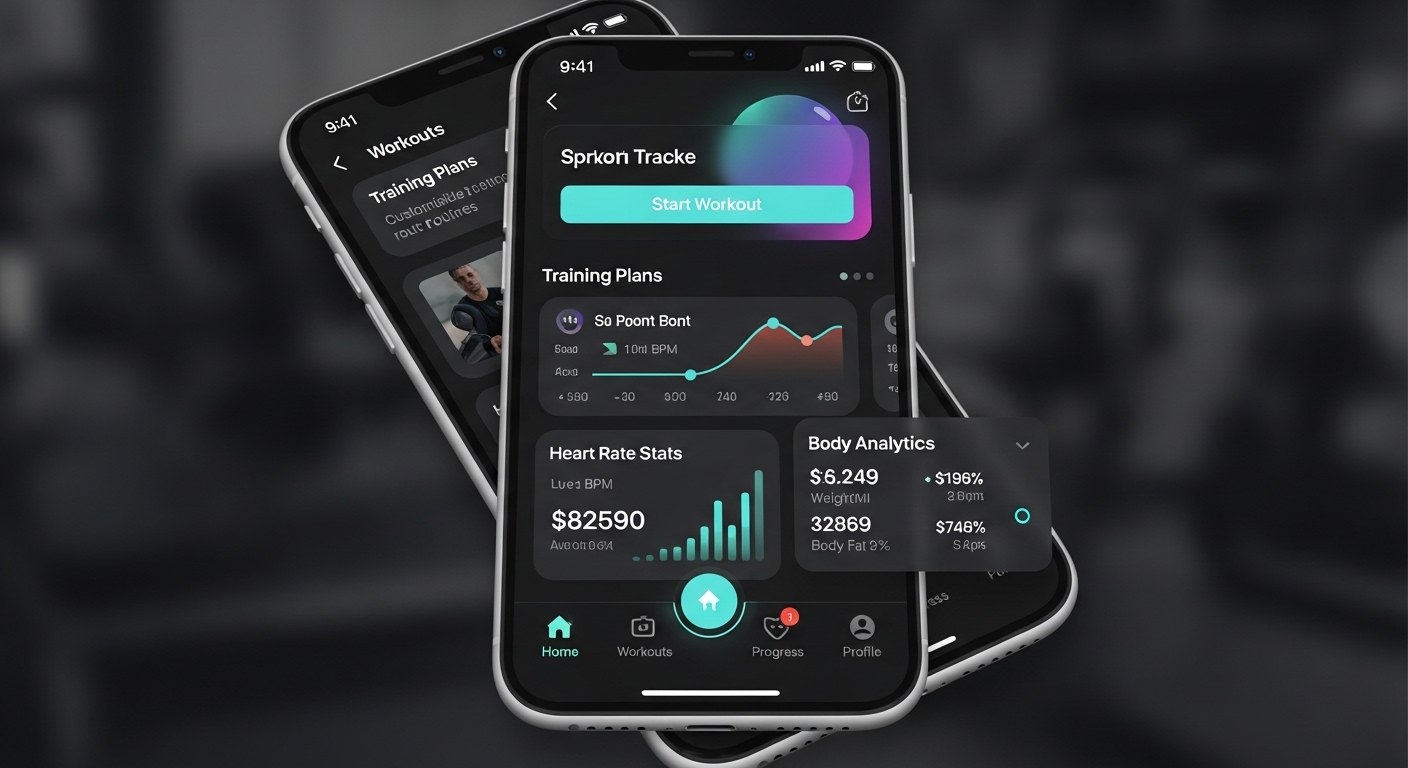
FitTrack Mobile App
Personal fitness tracking and workout planning app. 50,000+ active users on iOS and Android platforms.

ShopZone E-Commerce Platform
Multi-vendor e-commerce platform. Integrated payment system, inventory management, and analytics dashboard.
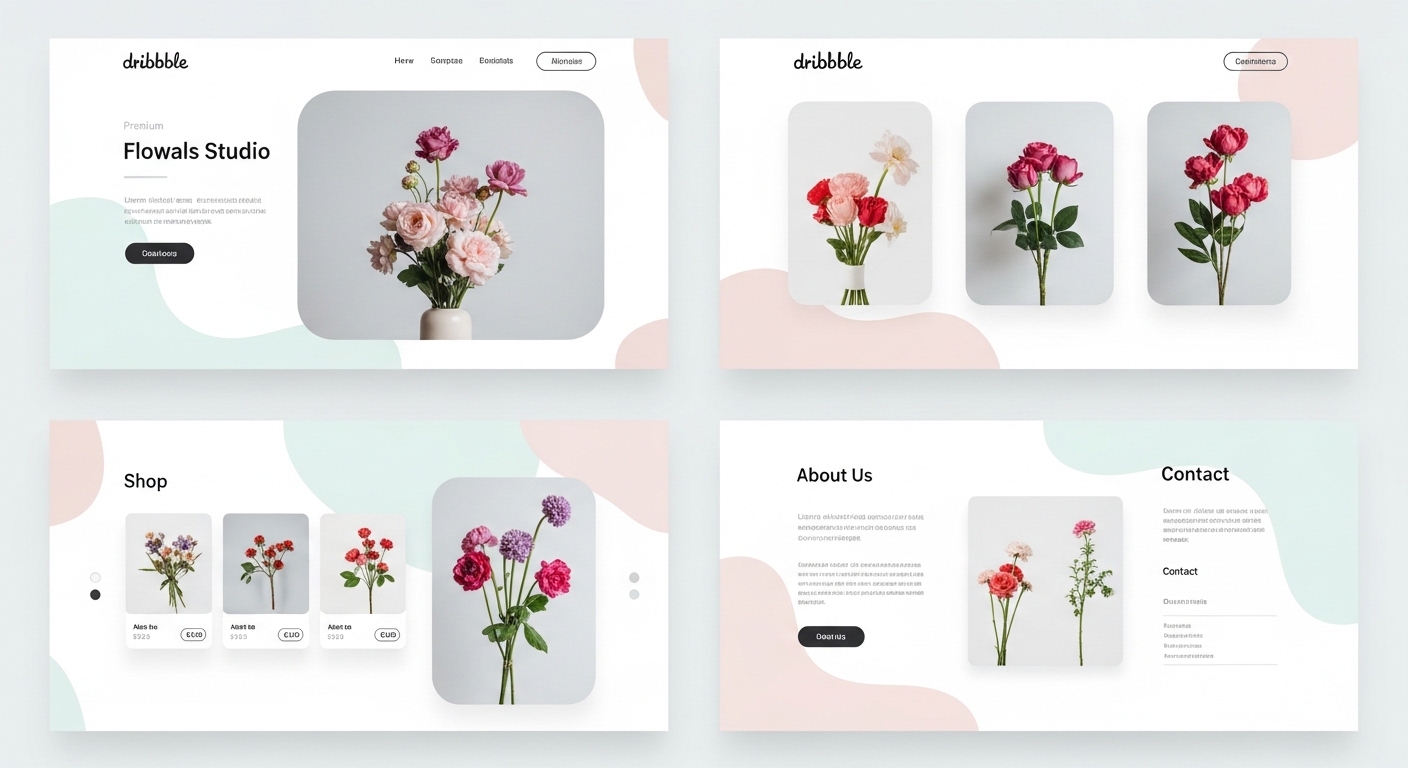
Nova Corporate Website
Modern corporate website for Nova, an energy sector company.
Related guides
Articles to read before deciding on API
Guides on backend and APIs.
Software Development
Software Development Methods 2026: Modern Stack, Process and Discipline
Stack selection, architecture, test strategy, CI/CD, AI-assisted coding, observability, team rhythm. 8-heading modern software discipline.
9 min
Tech Comparison
Next.js vs React (Vite) 2026: Modern Web Decision Guide
RSC, routing, performance, SEO, deploy, bundle, ecosystem, migration. 8-heading data-driven Next.js vs React/Vite decision matrix.
9 min
Decision Guide
Corporate Website vs E-commerce 2026: Detailed Decision Guide
Sales model, volume, content, architecture, SEO, cost, hybrid + sector scenarios. 8-heading data-driven decision matrix.
9 min
Start an API project
After a 30-minute discovery call we clarify API type and scope together.