
Web application development
Web application: a real product that runs in the browser
Web application development is not a landing page — it's a real product running in the browser. Authentication, role-based access, real-time, file uploads, payments — all part of the standard package.
Quick answer
Web application development: SaaS, dashboards, corporate portals, and internal tools — modern web apps built on Next.js + Node.js.
SaaS, corporate dashboards, B2B portals, internal tooling — whatever the type, we deliver an architecture that lowers long-term maintenance cost.
Standard for web application delivery
- Authentication (OAuth, SSO, magic link)
- Role-based access control (RBAC)
- Real-time (WebSocket, SSE) ready
- File upload + S3 / cloud storage
- Payment (Stripe, Iyzico) and invoice infrastructure
100+
Projects shipped
10+
Years of experience
96
City coverage
4.9/5
Customer rating
Web app vs. website — the difference
A website is a marketing asset users only consume. A web application is a product where users interact, create data, and run processes. The difference shapes technical choices: SPA / SSR / hybrid architecture, complex state management, RBAC, real-time, file uploads.
Often this distinction is skipped before quoting; the result is amateurish 'looks like a site, behaves like an app' projects. We address it as the first question in discovery.
Architecture choice: SPA, SSR, hybrid
Next.js (SSR + RSC + Client Components) is the healthiest architecture for modern web applications. Fast screen transitions like SPA paired with SEO-friendly first paint like SSR — balanced. Sufficient for most products.
When very specific real-time is needed we add a separate WebSocket server; the rest of HTTP work flows through Next.js Route Handlers or tRPC.
Auth, RBAC, and multi-tenancy
The most-mishandled piece in web apps is auth + permissions. Most projects ship with 'admin can do everything, block users' simplistic code; later, when role variety arrives, the whole auth system gets rewritten. We design RBAC from day one.
In multi-tenant setups, full data isolation per tenant matters. Postgres row-level security (RLS) or Prisma middleware enforces this from the start.
Performance and UX details
Web applications get used 8 hours a day. A 1-second delay shows up as end-of-day fatigue. Optimistic UI, skeleton loaders, pre-fetching, intelligent caching — these aren't 'nice to have'; they're the foundation of product quality.
Lighthouse Performance >= 90, all Core Web Vitals green. We don't ship without performance verified on real devices (3G, low-end mobile).
Frequently asked questions
Simple dashboard 4–6 weeks, mid-size SaaS 8–12 weeks, enterprise multi-tenant platform 3–6 months. Fixed-scope quote shared in writing after discovery.
Frontend: Next.js + React + TypeScript + Tailwind CSS. Backend: Node.js + Postgres + Prisma. Auth: Auth.js, Clerk, or custom. Real-time: WebSocket or SSE. Decided per project.
Yes, often the healthiest path. We set up the backend once, share it across web and mobile, then develop each channel on its own timeline.
We do both. For existing projects we run a code review + roadmap revision and start with technical-debt inventory in week one.
GA4, Mixpanel, PostHog, Amplitude — chosen by need. Event tracking is configured day one so decisions ride on data.
Locations
Locations where we ship web application projects
We deliver web application development across global hubs.
Selected projects
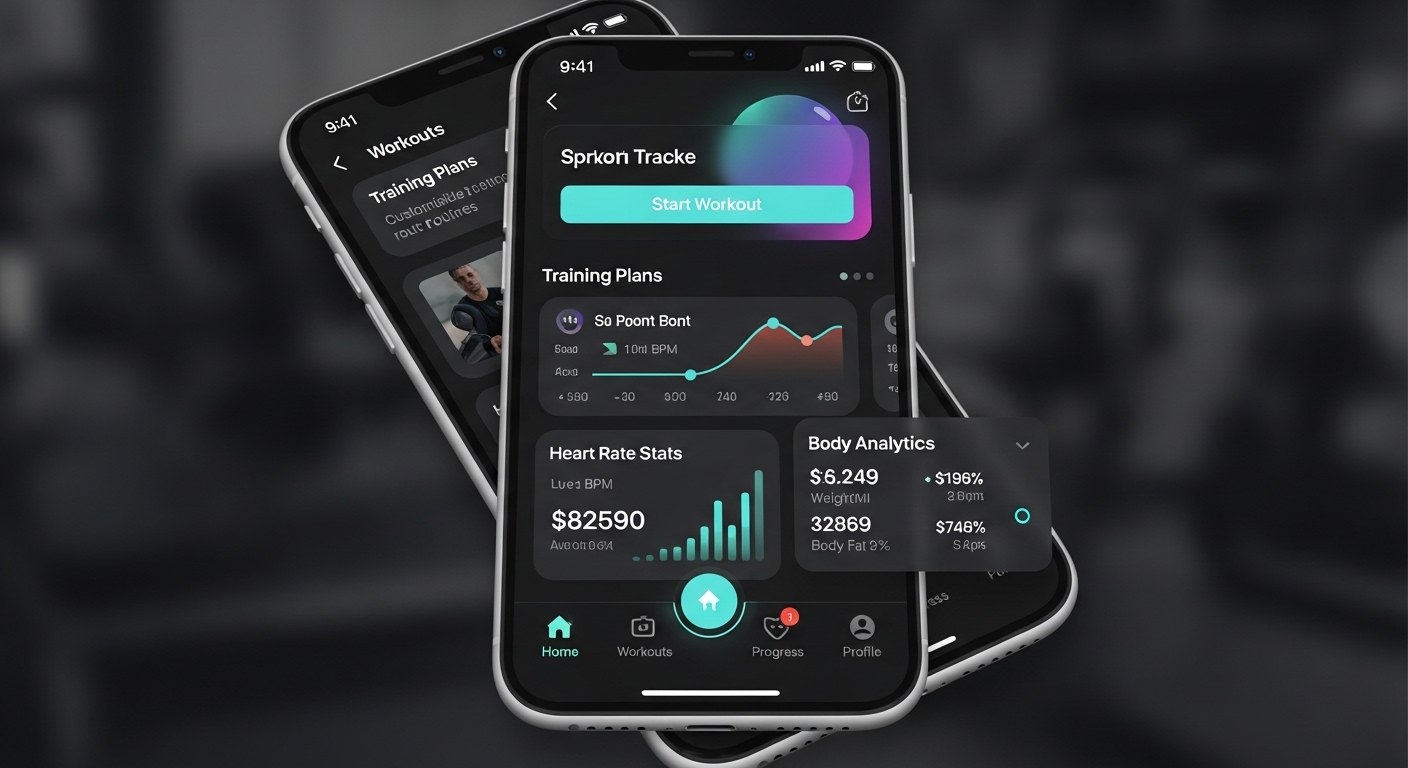
FitTrack Mobile App
Personal fitness tracking and workout planning app. 50,000+ active users on iOS and Android platforms.
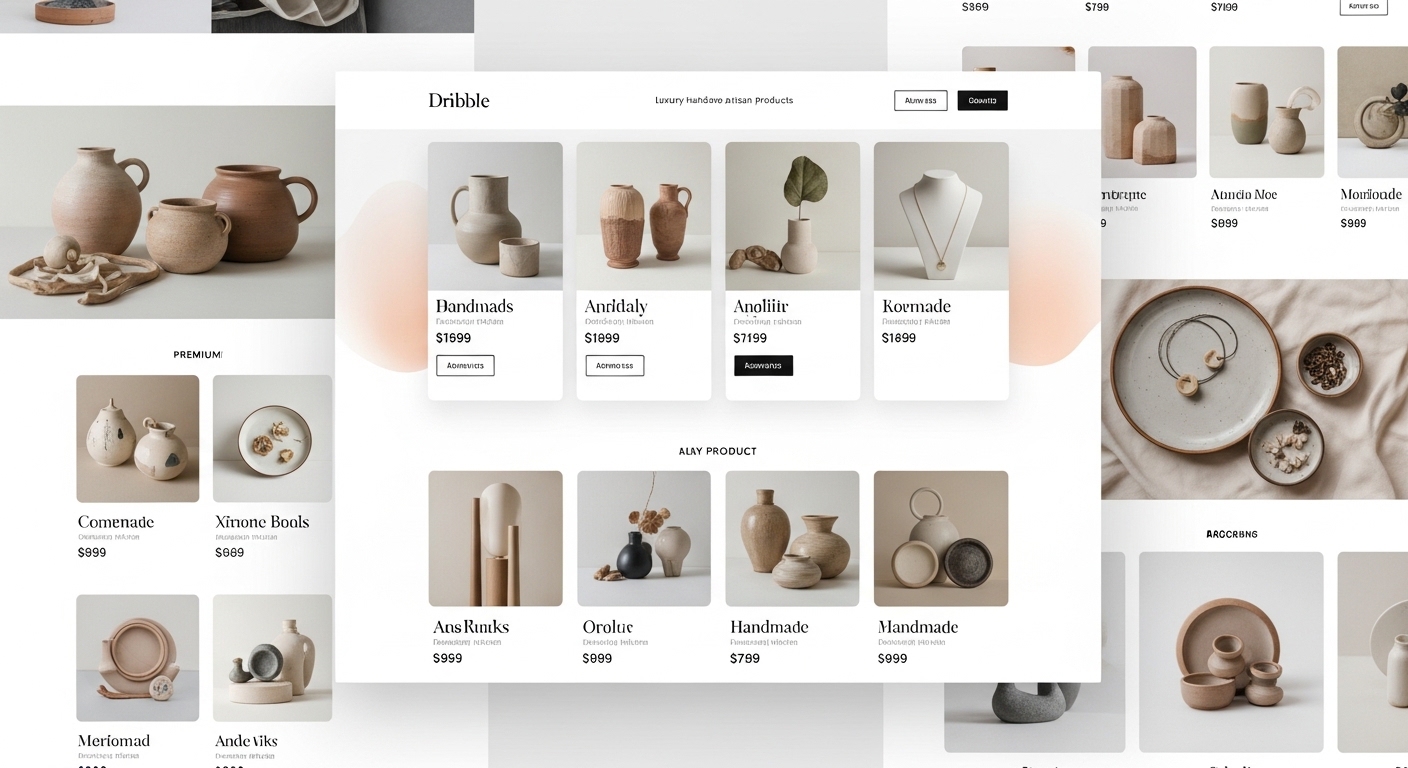
ShopZone E-Commerce Platform
Multi-vendor e-commerce platform. Integrated payment system, inventory management, and analytics dashboard.
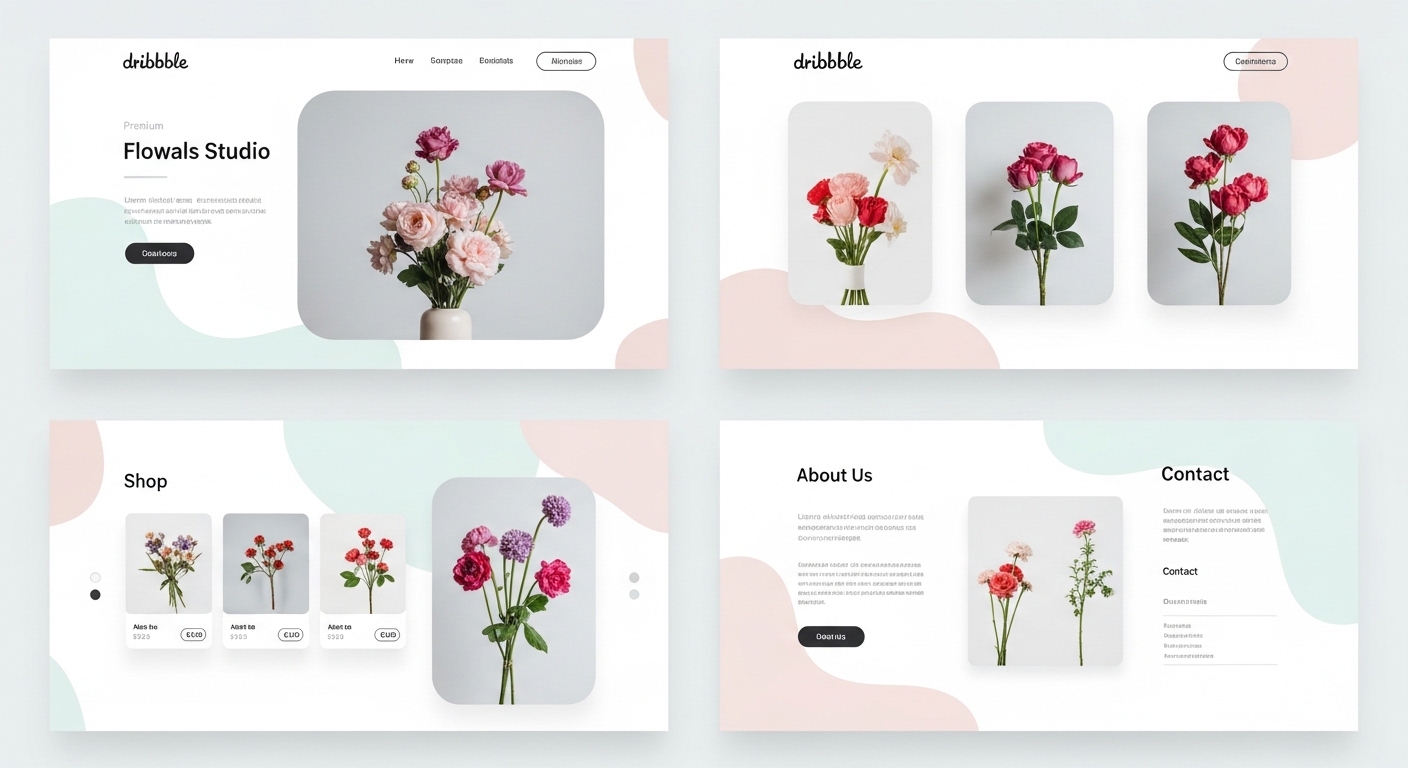
Nova Corporate Website
Modern corporate website for Nova, an energy sector company.
Related guides
Articles to read before deciding on web app development
Guides on stack choice, architecture, and cost.
Software Development
Software Development Methods 2026: Modern Stack, Process and Discipline
Stack selection, architecture, test strategy, CI/CD, AI-assisted coding, observability, team rhythm. 8-heading modern software discipline.
9 min
Tech Comparison
Next.js vs React (Vite) 2026: Modern Web Decision Guide
RSC, routing, performance, SEO, deploy, bundle, ecosystem, migration. 8-heading data-driven Next.js vs React/Vite decision matrix.
9 min
Decision Guide
Corporate Website vs E-commerce 2026: Detailed Decision Guide
Sales model, volume, content, architecture, SEO, cost, hybrid + sector scenarios. 8-heading data-driven decision matrix.
9 min
Start a web application project
30-minute discovery call followed by a written quote. Independent, non-binding conversation.