
Frontend development
Frontend: the user's first contact with the product
Frontend development is the user's first contact with your product. Performance, accessibility, and UX detail are decided here.
Quick answer
Frontend development with React, Next.js, TypeScript, Tailwind CSS — performance-focused and accessible modern UI delivery.
React + TypeScript + Tailwind CSS as the modern frontend stack. Component-based, tested, accessible, with a Lighthouse Performance >= 95 target.
Standard for frontend delivery
- Lighthouse Performance >= 95, Accessibility >= 95
- WCAG 2.1 AA contrast and focus states
- Component-based, documented in Storybook
- Tests: Vitest + Playwright E2E
- Mobile-first responsive (320px – 4K)
100+
Projects shipped
10+
Years of experience
96
City coverage
4.9/5
Customer rating
Frontend architecture decisions
Modern frontend development hinges on: SPA, SSR, or hybrid? How is routing done? How is state managed? These decide the product's lifetime performance and dev speed.
For most enterprise frontends, Next.js + React + TypeScript is the healthiest path. Vite + React Router can be enough for SaaS dashboards and internal tools.
Performance optimization
Three pillars of frontend performance: bundle size, image optimization, network request management. Code splitting (route-based + component-based), tree shaking, dynamic import — all part of the standard package.
Image optimization via next/image, modern formats (AVIF, WebP), lazy loading, responsive srcset. Network requests handled with React Query cache, prefetching, optimistic UI. Result: a UX where the user never feels they're waiting.
Accessibility and WCAG 2.1 AA
Accessibility isn't only for vision-impaired users — it makes the experience better for all users. Keyboard navigation, focus management, screen-reader compatibility, contrast, dynamic type support.
We reference WCAG 2.1 AA; axe-core auto-runs on every PR. Manual checks (VoiceOver, NVDA, TalkBack with real experience) are also added.
Design system integration
Frontend stays in continuous contact with the design team. Design tokens defined in Figma (colors, typography, spacing, motion) reflect directly in Tailwind config; design changes ship in code in minutes.
Storybook becomes a sustainable UI documentation reviewable by the design team. Design review happens pre-merge; no rework cycle.
Frequently asked questions
A specialist frontend developer goes deeper on quality. A full-stack developer is more efficient for small teams; on larger projects frontend and backend separate.
Tailwind CSS in most projects — performance and fast iteration. CSS-in-JS (vanilla-extract) when very complex design systems are required.
We start design and dev from the smallest screen, then 'expand' to desktop. Result: mobile experience isn't an afterthought.
Micro-interactions (hover, focus, click feedback) significantly raise UX quality. Large animations (page transitions) hurt performance unless optimized. We balance from day one.
Yes. We start with a performance audit: bundle analysis, render performance, accessibility check. We lay out a roadmap and optimize in 4–8 weeks.
Locations
Locations where we ship frontend projects
We deliver frontend development across global hubs.
Selected projects
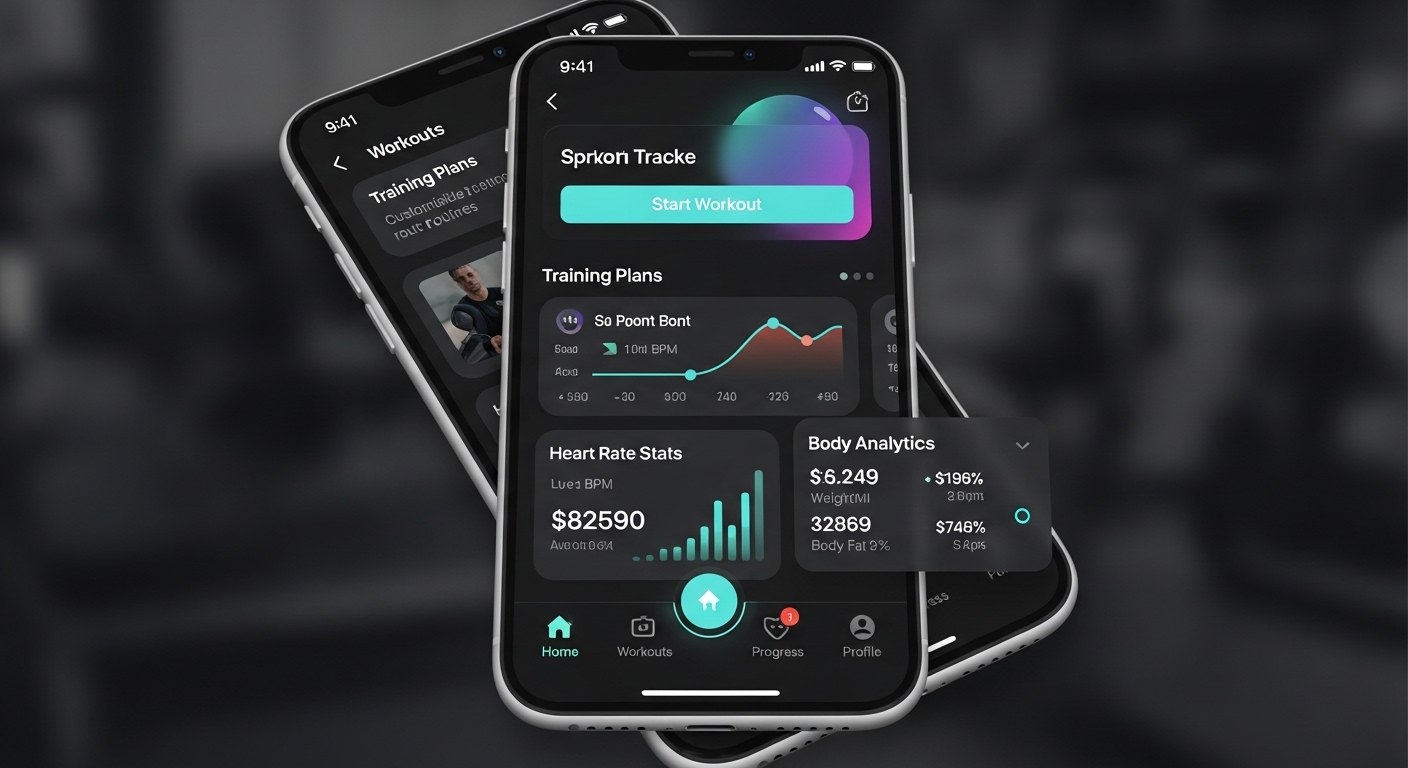
FitTrack Mobile App
Personal fitness tracking and workout planning app. 50,000+ active users on iOS and Android platforms.
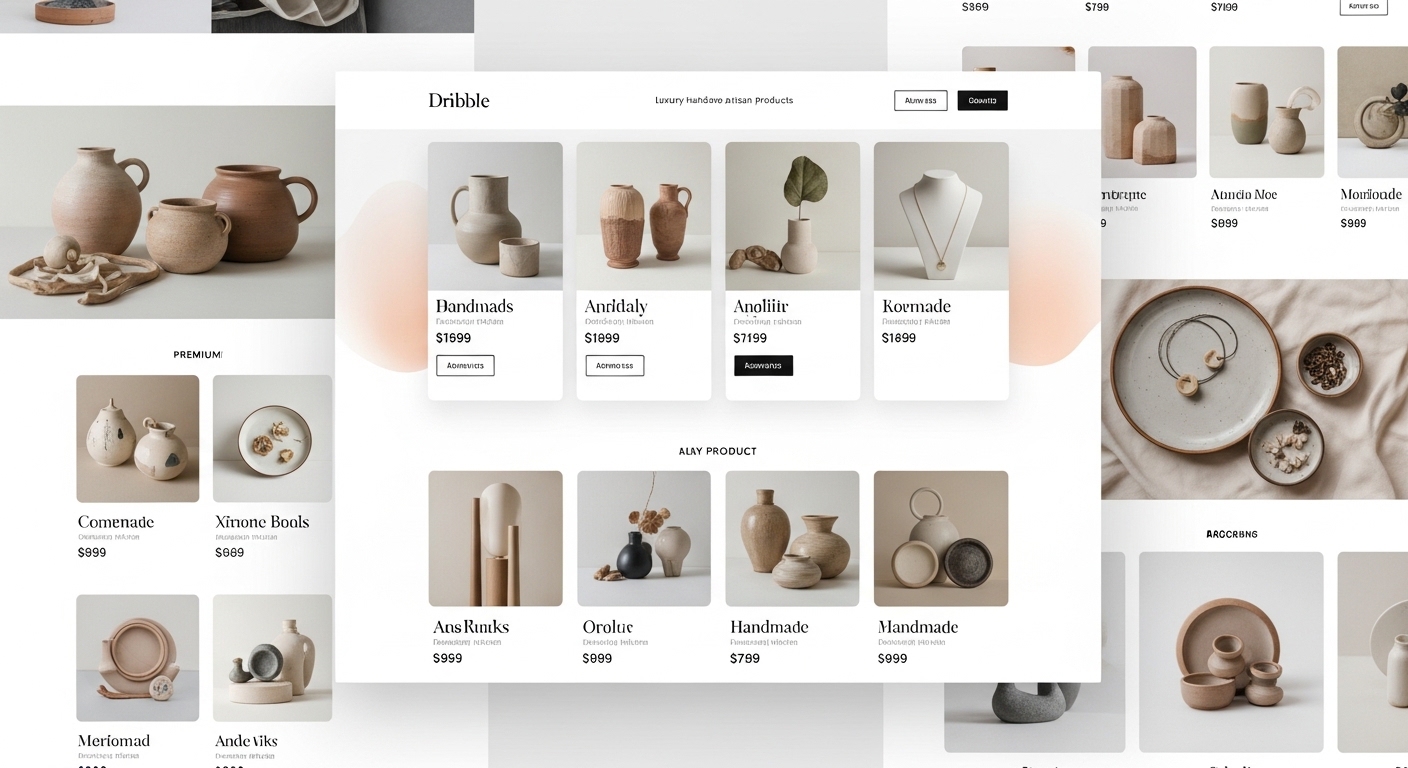
ShopZone E-Commerce Platform
Multi-vendor e-commerce platform. Integrated payment system, inventory management, and analytics dashboard.
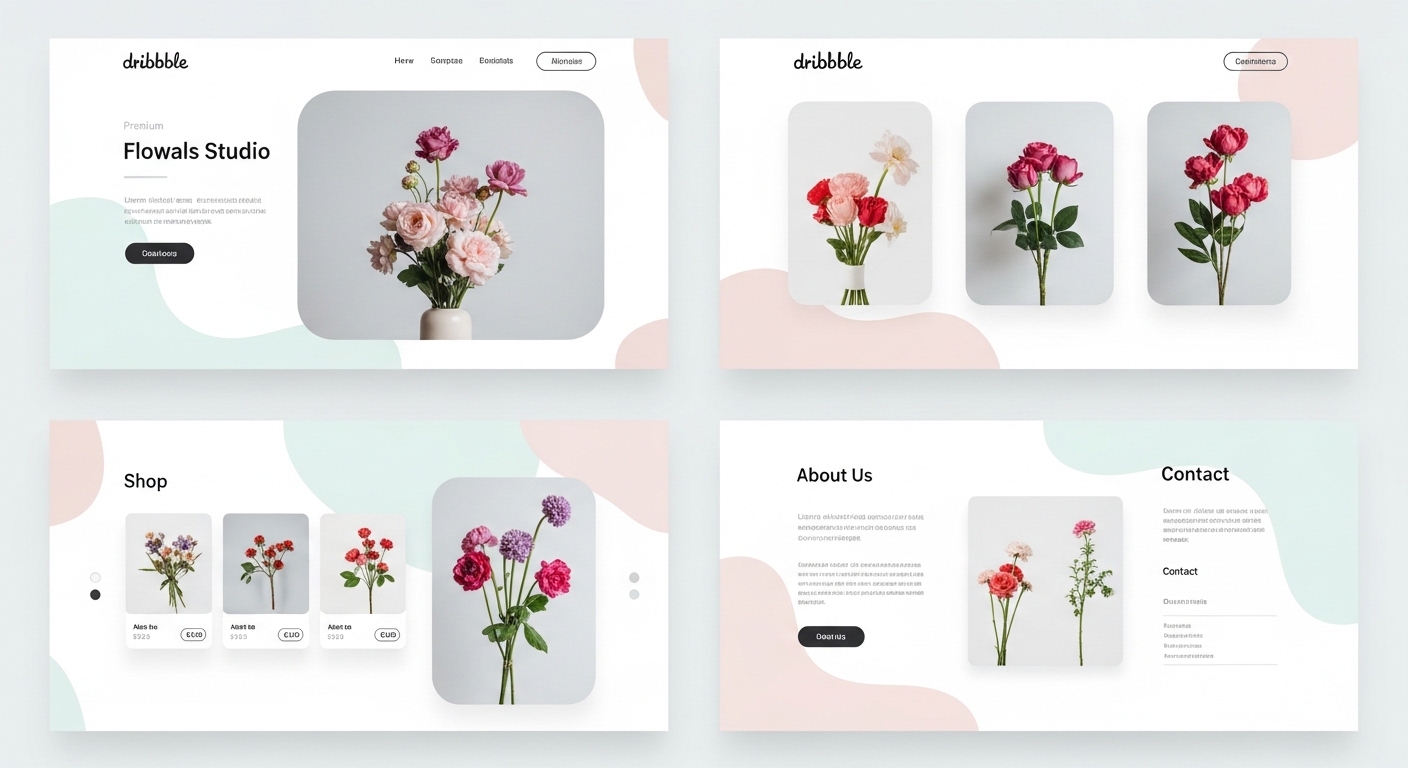
Nova Corporate Website
Modern corporate website for Nova, an energy sector company.
Related guides
Articles to read before deciding on frontend
Guides on frontend stack and performance.
Software Development
Software Development Methods 2026: Modern Stack, Process and Discipline
Stack selection, architecture, test strategy, CI/CD, AI-assisted coding, observability, team rhythm. 8-heading modern software discipline.
9 min
Tech Comparison
Next.js vs React (Vite) 2026: Modern Web Decision Guide
RSC, routing, performance, SEO, deploy, bundle, ecosystem, migration. 8-heading data-driven Next.js vs React/Vite decision matrix.
9 min
Decision Guide
Corporate Website vs E-commerce 2026: Detailed Decision Guide
Sales model, volume, content, architecture, SEO, cost, hybrid + sector scenarios. 8-heading data-driven decision matrix.
9 min
Start a frontend project
After a 30-minute discovery call we share our frontend stack and architecture recommendation in writing.