
Next.js development
Next.js: web's default framework in 2026
Next.js (App Router + React Server Components) is the healthiest architecture for modern web — also the framework this site runs on.
Quick answer
Next.js development with App Router, Server Components, and Server Actions — SEO-friendly, fast, modern web apps.
SSR, ISR, RSC, Server Actions, Edge Runtime — we ship clean, performant products using all of Next.js's capabilities.
Standard for Next.js delivery
- App Router + React Server Components
- Server Actions for forms and mutations
- ISR caches dynamic content as static
- Lighthouse Performance >= 95, Core Web Vitals green
- Vercel or self-host (Docker) deploy ready
100+
Projects shipped
10+
Years of experience
96
City coverage
4.9/5
Customer rating
Why Next.js is the default in 2026
Next.js with React Server Components clarified the 'frontend vs. backend' split inside React. Components render either on the server (DB access, sensitive API keys) or on the client (interaction). The split fundamentally solves performance and security.
App Router (file-based routing + layouts + parallel routes) is cleaner than the old Pages Router. We start every new project on App Router.
Server Actions and form handling
Server Actions make writing directly from forms to the database simple. No backend API endpoint required — define a server function as the form action. A serious code reduction in small/mid projects.
Large projects still get a separate API layer; Server Actions still speed up form-heavy CRUD screens significantly.
ISR and caching strategy
Incremental Static Regeneration serves dynamic-but-rarely-changing content (marketing pages, blog) like static. Foundation of the Lighthouse Performance >= 95 target.
Cache strategy is route-based: ISR for marketing, SSR + cache: 'no-store' for user-specific data, static for static content. The combination delivers both speed and accuracy.
Deploy and self-host options
Vercel is Next.js's 'native' platform — fastest, easiest deploy. We use Vercel in most projects. For enterprise self-host needs, Docker (output: standalone) is ready.
We use Edge Runtime in special cases: globally low-latency APIs, A/B test middleware. Node runtime is enough for most cases.
Frequently asked questions
Next.js for most new projects. Plain React (CRA, Vite) lacks features compared to Next.js — SSR, routing, image optimization. We use plain React only in very specific cases.
App Router for new projects every time. Pages Router is legacy — the Next.js team invests in App Router. Existing Pages projects can be migrated gradually.
Vercel is the fastest path, with full ISR and image optimization. If you self-host, Docker (output: standalone) runs on any hosting platform.
Yes — RSC and Edge Runtime typically give First Contentful Paint < 1s. With the right cache strategy, Lighthouse Performance > 95 is guaranteed.
Yes. Migration is gradual; routing first, then page-by-page to App Router. Typically 8–12 weeks.
Locations
Locations where we ship Next.js projects
We deliver Next.js development across global hubs.
Selected projects
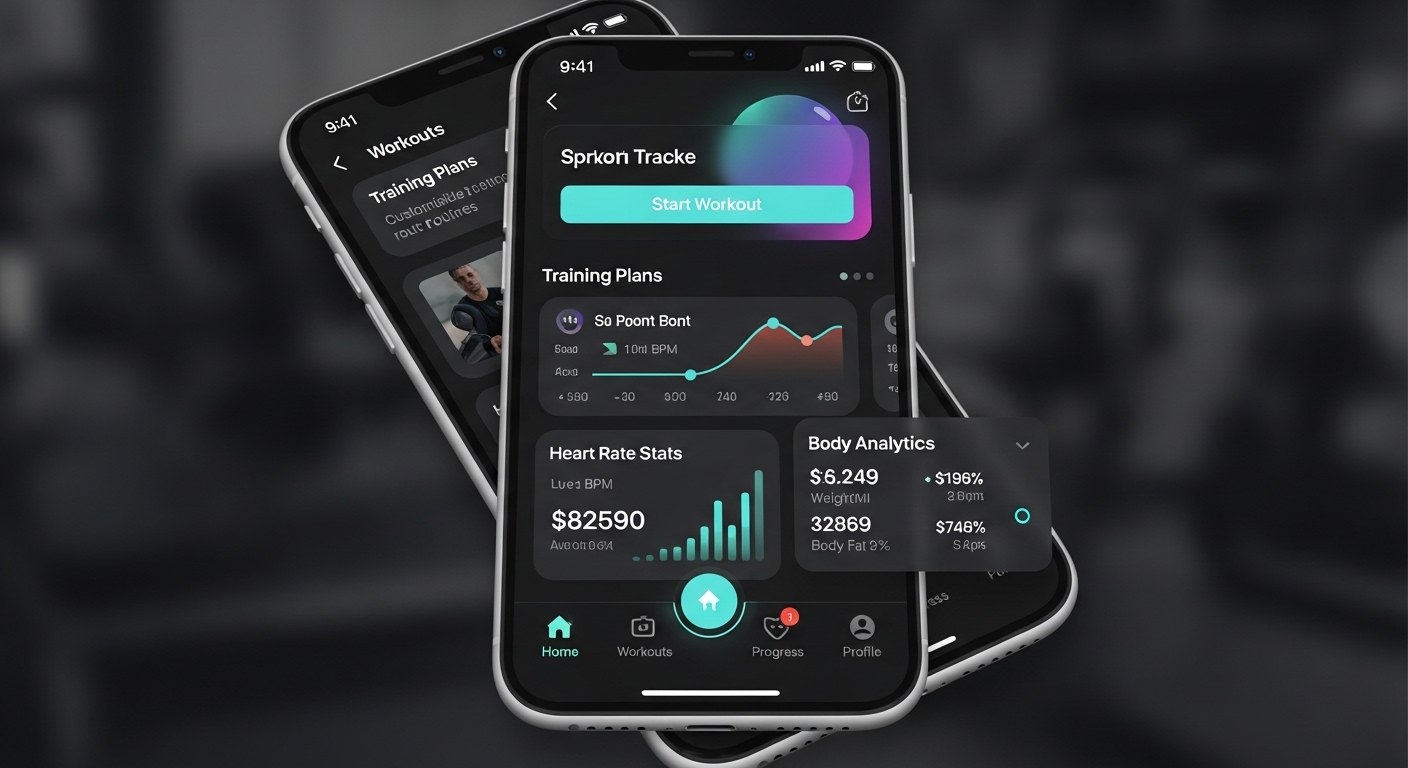
FitTrack Mobile App
Personal fitness tracking and workout planning app. 50,000+ active users on iOS and Android platforms.

ShopZone E-Commerce Platform
Multi-vendor e-commerce platform. Integrated payment system, inventory management, and analytics dashboard.
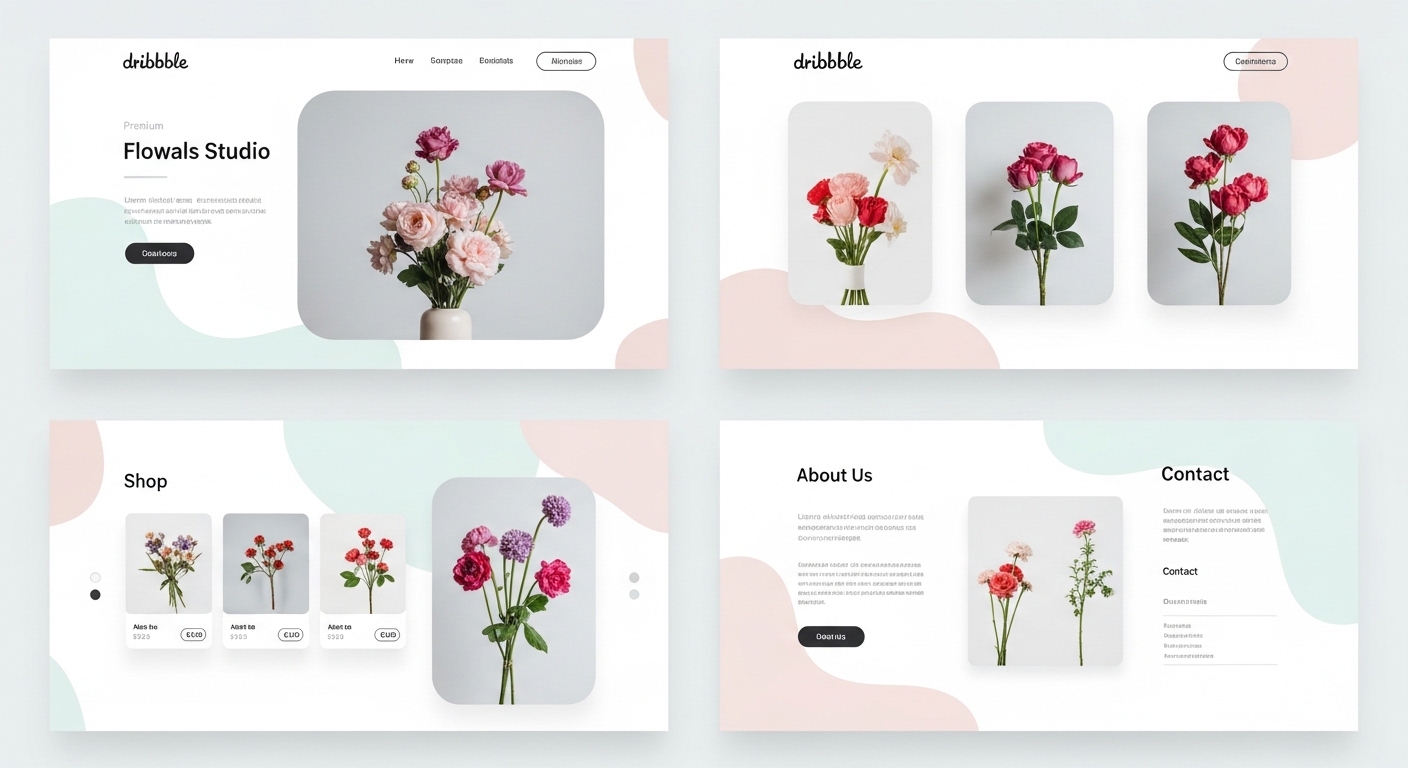
Nova Corporate Website
Modern corporate website for Nova, an energy sector company.
Related guides
Articles to read before deciding on Next.js
Guides on Next.js / React / Vue choice.
Software Development
Software Development Methods 2026: Modern Stack, Process and Discipline
Stack selection, architecture, test strategy, CI/CD, AI-assisted coding, observability, team rhythm. 8-heading modern software discipline.
9 min
Tech Comparison
Next.js vs React (Vite) 2026: Modern Web Decision Guide
RSC, routing, performance, SEO, deploy, bundle, ecosystem, migration. 8-heading data-driven Next.js vs React/Vite decision matrix.
9 min
Decision Guide
Corporate Website vs E-commerce 2026: Detailed Decision Guide
Sales model, volume, content, architecture, SEO, cost, hybrid + sector scenarios. 8-heading data-driven decision matrix.
9 min
Start a Next.js project
After a 30-minute discovery call we evaluate whether Next.js is the right choice.