
SaaS development service
SaaS development: a scalable product from the first customer
SaaS development service is different from a generic web app — multi-tenant architecture, subscription flow, free trials, churn reduction — all part of the standard package.
Quick answer
SaaS development service: multi-tenant architecture, subscription, onboarding, billing integration — end-to-end SaaS delivery.
Stripe / Iyzico billing, Postgres RLS multi-tenant, role-based access, in-app onboarding — built day one, not retrofitted later.
Standard for SaaS development delivery
- Multi-tenant Postgres + RLS isolation
- Stripe / Iyzico subscription billing
- Free trial + paywall + plan upgrade
- In-app onboarding + checklist
- Admin panel + customer support tooling
100+
Projects shipped
10+
Years of experience
96
City coverage
4.9/5
Customer rating
How SaaS differs from a web app
SaaS is built to generate recurring revenue. Subscription flow, free trial, plan limits, usage-based billing, churn reduction — all live in the architecture. Optional in 'web app'; foundational in SaaS.
This difference is usually noticed mid-project and the architecture gets rewritten. We clarify SaaS from day one and design accordingly. Investment is positioned upfront and ROI is faster.
Multi-tenant and data isolation
Three multi-tenant choices: shared database + tenant column (small/mid), shared database + RLS (mid/large), separate database per tenant (enterprise). For most B2B SaaS, Postgres RLS is optimal.
Postgres row-level security prevents tenant data leak. Every query auto-applies tenant filter; even if a developer forgets the tenant, data won't leak. A clear answer in audits.
Subscription and billing
Subscription infrastructure via Stripe (international) or Iyzico (Turkey). Free trial, plan upgrade/downgrade, usage-based billing, dunning (failed payment retry), invoice and receipt — all standard.
Webhook flow: subscription.created, subscription.updated, payment.failed, customer.deleted — your app state stays in sync with Stripe/Iyzico. Duplicate accounts, suspended accounts, failed payments — all handled automatically.
Onboarding, retention, churn
50% of SaaS success comes from onboarding. New users seeing value in the first 5 minutes ('aha moment'), activation in 7 days, habituation in 30 — these metrics must be measured.
Churn reduction: usage tracking (passive user alert), customer success outreach automation, exit interview, win-back campaign. We set these up; churn rate is tracked monthly.
Frequently asked questions
MVP is a minimum viable product; SaaS is a structured product producing recurring revenue. An MVP can grow into SaaS with the right decision. We make that call from day one.
Stripe is more flexible if you have international customers. Iyzico is native to Turkey's payment infra (KKM, installments, refunds). Some SaaS run both.
When designed from day one, +1–2 weeks. Retrofitted later, 4–8 weeks + retest. So we design it correctly upfront.
MRR, ARR, churn rate, LTV, CAC, ARPU, NPS, activation rate, time-to-value. We set up a dashboard for these before launch; data flows from day one.
Monthly support package: feature additions, performance monitoring, churn-reduction iteration, A/B test management. SaaS is a long-term relationship.
Locations
Locations where we ship SaaS projects
We deliver SaaS development across global hubs.
Selected projects
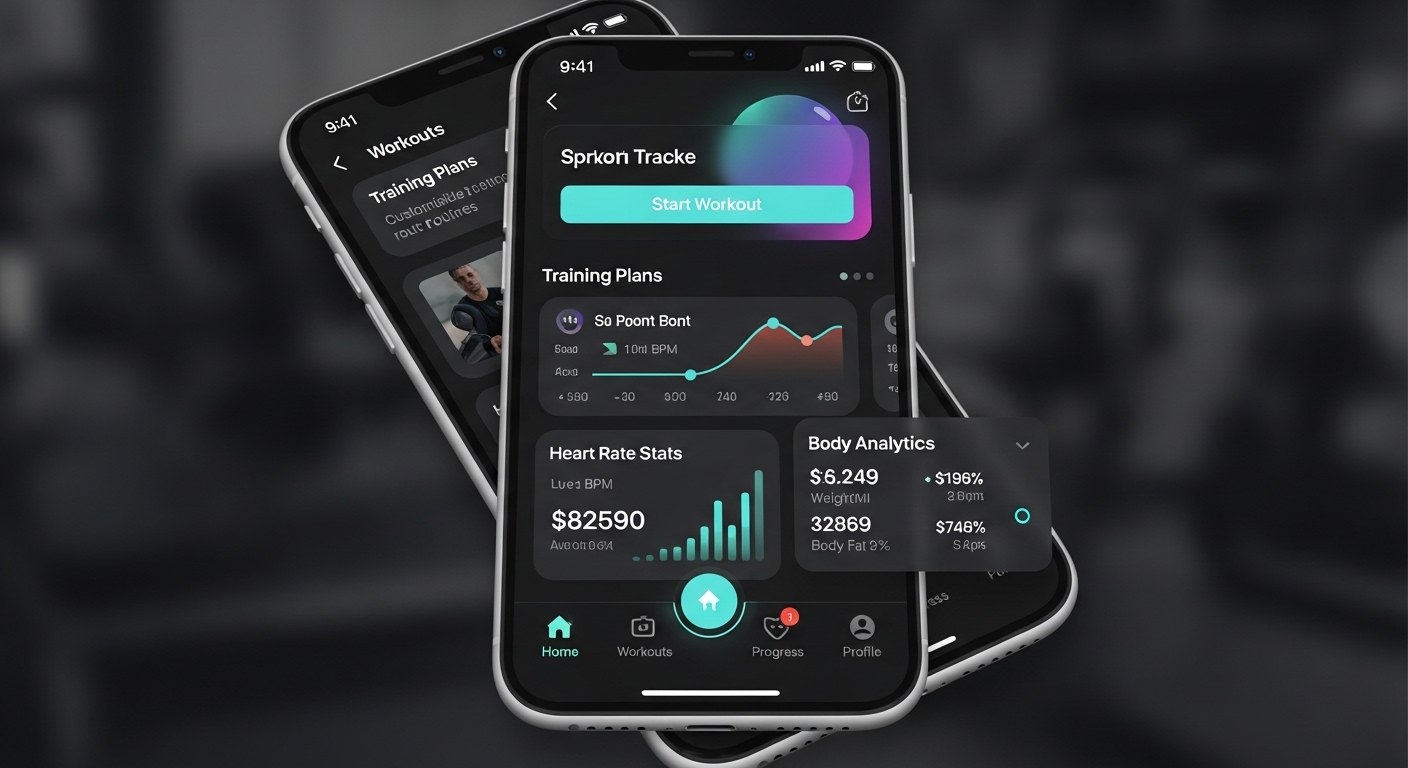
FitTrack Mobile App
Personal fitness tracking and workout planning app. 50,000+ active users on iOS and Android platforms.
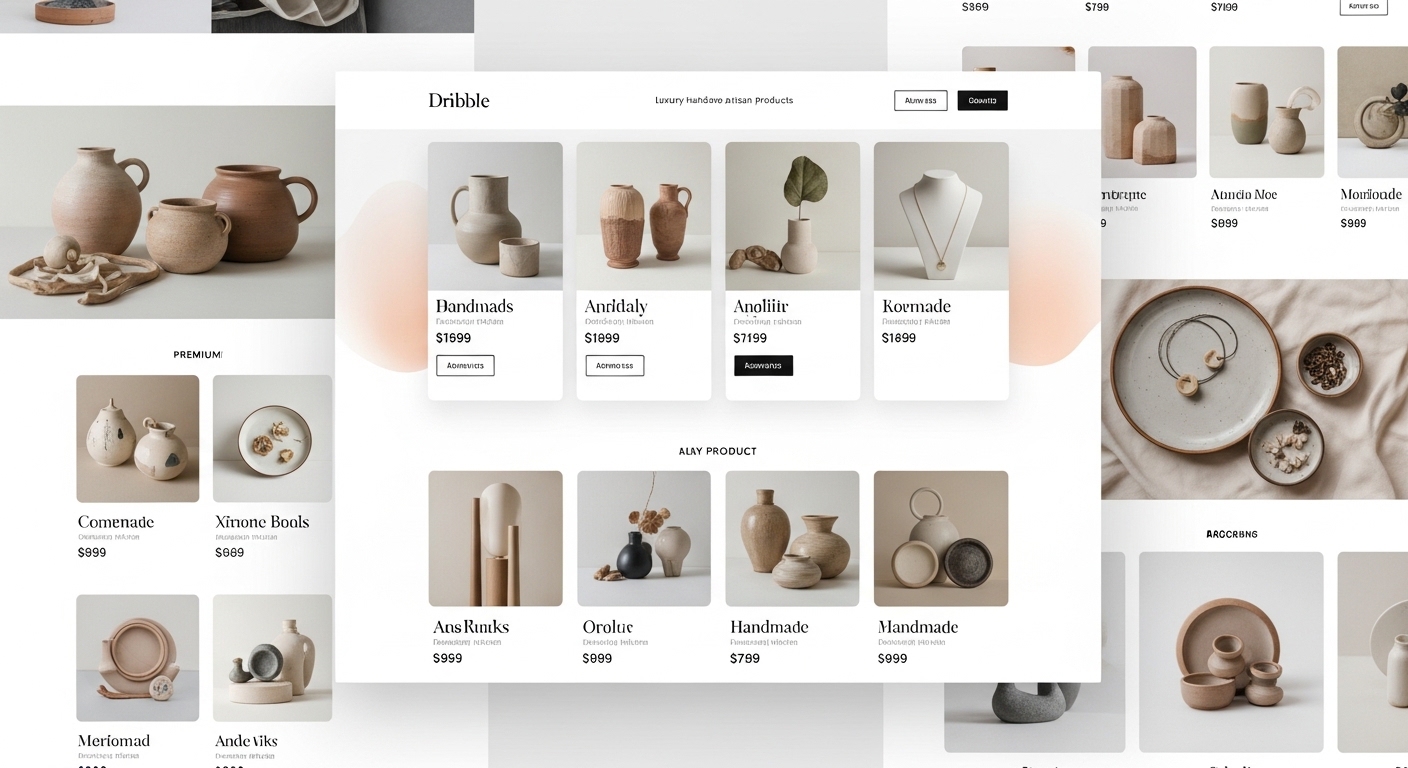
ShopZone E-Commerce Platform
Multi-vendor e-commerce platform. Integrated payment system, inventory management, and analytics dashboard.
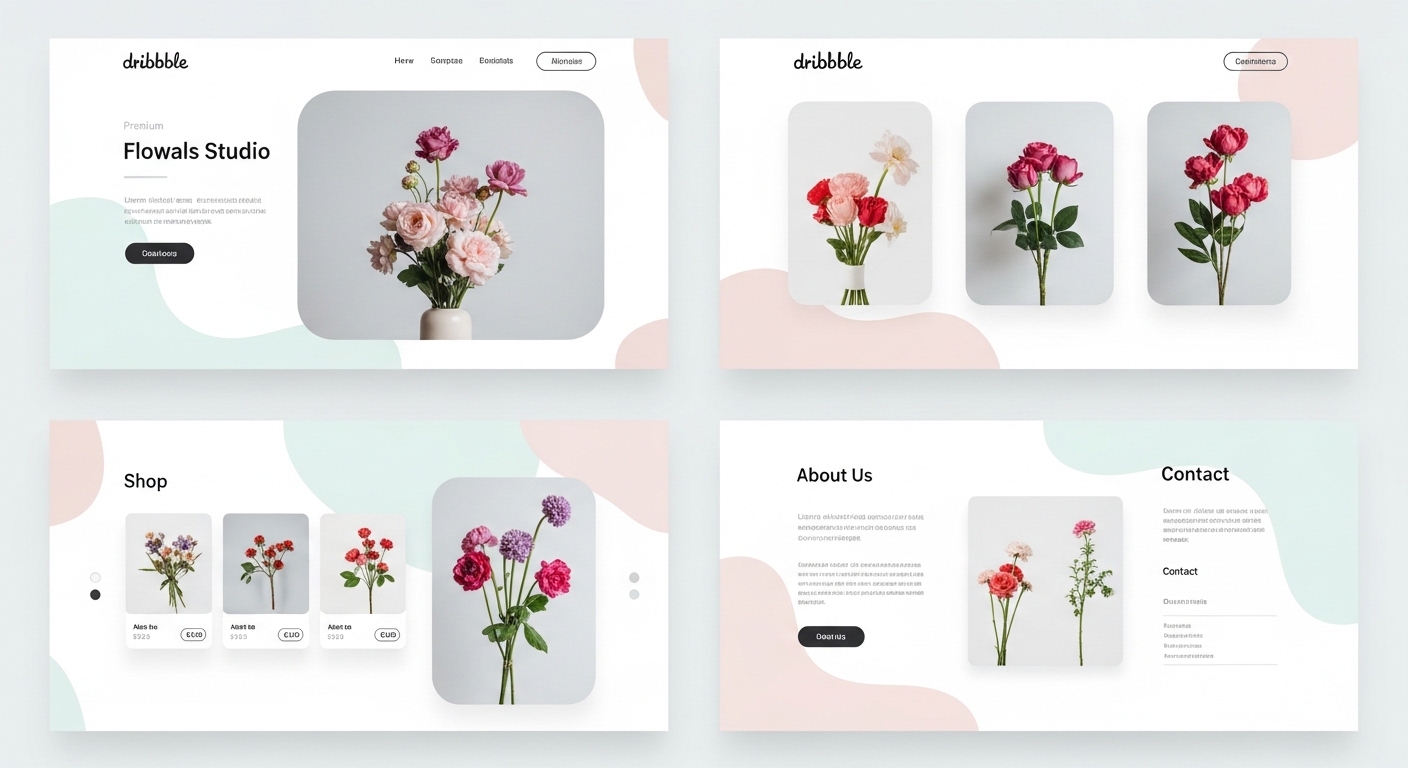
Nova Corporate Website
Modern corporate website for Nova, an energy sector company.
Related guides
Articles to read before SaaS development
Guides on SaaS roadmap and architecture.
SaaS
SaaS Development Roadmap 2026: 8-Phase Plan
From pre-MVP to enterprise, an 8-phase roadmap. Investment, metrics, team scale, hidden traps and typical duration per phase.
9 min
Startup
MVP Roadmap: A Market-Validated Product in 4–6 Weeks
We map the MVP roadmap as a week-by-week structured process with fixed scope: discovery, design, development, testing, launch, and post-launch data discipline.
9 min
SaaS
The First 7 Mistakes Teams Make in SaaS Architecture
Why SaaS products get expensive when tenant isolation, permissions, billing, and observability are not planned early.
8 min
Start a SaaS project
After a 30-minute discovery call we share a written SaaS roadmap.