
MVP development
MVP development: market validation in 4–6 weeks
MVP development is the fastest way to validate your idea before investing further. A 4–6-week fixed-delivery, fixed-price structured process.
Quick answer
MVP development: a market-validated minimum viable product in 4–6 weeks. Fixed scope, fixed price, fixed delivery date.
Fixed scope, fixed delivery date, fixed price — accepted, not changed. We expand via change requests after data flows in post-launch.
Standard for MVP delivery
- 4–6 week fixed delivery
- Fixed scope, fixed price
- Production-ready release
- Stripe / Iyzico payment integration
- Analytics configured day one
100+
Projects shipped
10+
Years of experience
96
City coverage
4.9/5
Customer rating
MVP is a real product, not a prototype
MVP isn't a prototype — it's a real product that real users pay real money for. Design is simple, features few; but the core value proposition is solid and the tech foundation is production-quality.
A common mistake: 'MVP gets thrown out anyway, can be low quality.' No — the lifespan of an MVP usually outlives the design. Stack choice, architecture, security, performance are standard in MVP too.
What's in scope, what isn't?
MVP includes: a single user flow that proves the core value proposition, account creation, payment (if needed), in-app analytics. MVP excludes: role variety (beyond admin), advanced reporting, AI / complex integration, ASO and SEO optimization.
These boundaries are fixed; the proposal is written. Instead of 'let's add this too,' we say 'change request after the MVP.' That keeps the 4–6 weeks fixed.
Which tech do we use, and why?
Next.js + Postgres + Prisma + Auth.js + Stripe is the fastest path for MVP. For mobile MVP, Flutter or React Native (Expo). These have ready library ecosystems and bring MVP to production in 4–6 weeks.
BaaS (Supabase, Firebase) is preferred in some MVPs — faster backend setup. But late migration when scale arrives can be heavy; we decide during discovery.
What happens after launch?
Post-launch is 30 days of data collection. Activation rate, retention, conversion, NPS — measuring these reveals which feature deserves first investment.
From month 2, change request flow: new features, screens, modules. Optional monthly support; or a structured contract for a new phase. Market data drives the call.
Frequently asked questions
Fixed price for a fixed-scope MVP; scope is set after the discovery call. We don't share a list price out of technical honesty.
No. MVP ships with production-quality code. We grow on the same codebase post-launch; no rewrite required.
Yes, a simple admin panel (user list, content moderation, basic reporting) is part of the standard package.
MVP's core discipline is exactly this — one core flow. 2–3 parallel flows turn it into 'phase 1.5,' not MVP. Scope discipline brings speed.
We continue with structured phase 2 (4–8 weeks), phase 3 (8–16 weeks) contracts. Data-driven choice on which feature gets the next investment.
Locations
Locations where we ship MVP projects
We deliver MVP development across global hubs.
Selected projects
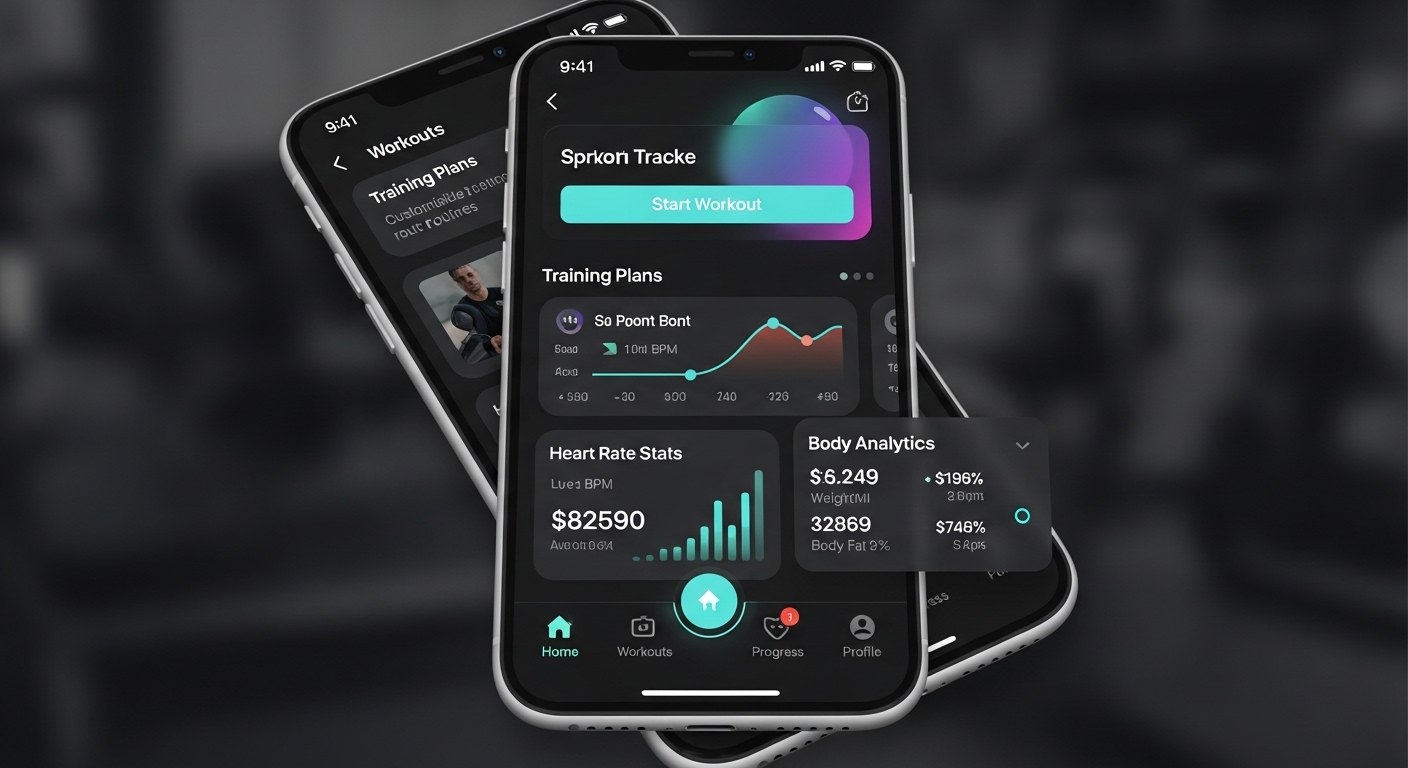
FitTrack Mobile App
Personal fitness tracking and workout planning app. 50,000+ active users on iOS and Android platforms.
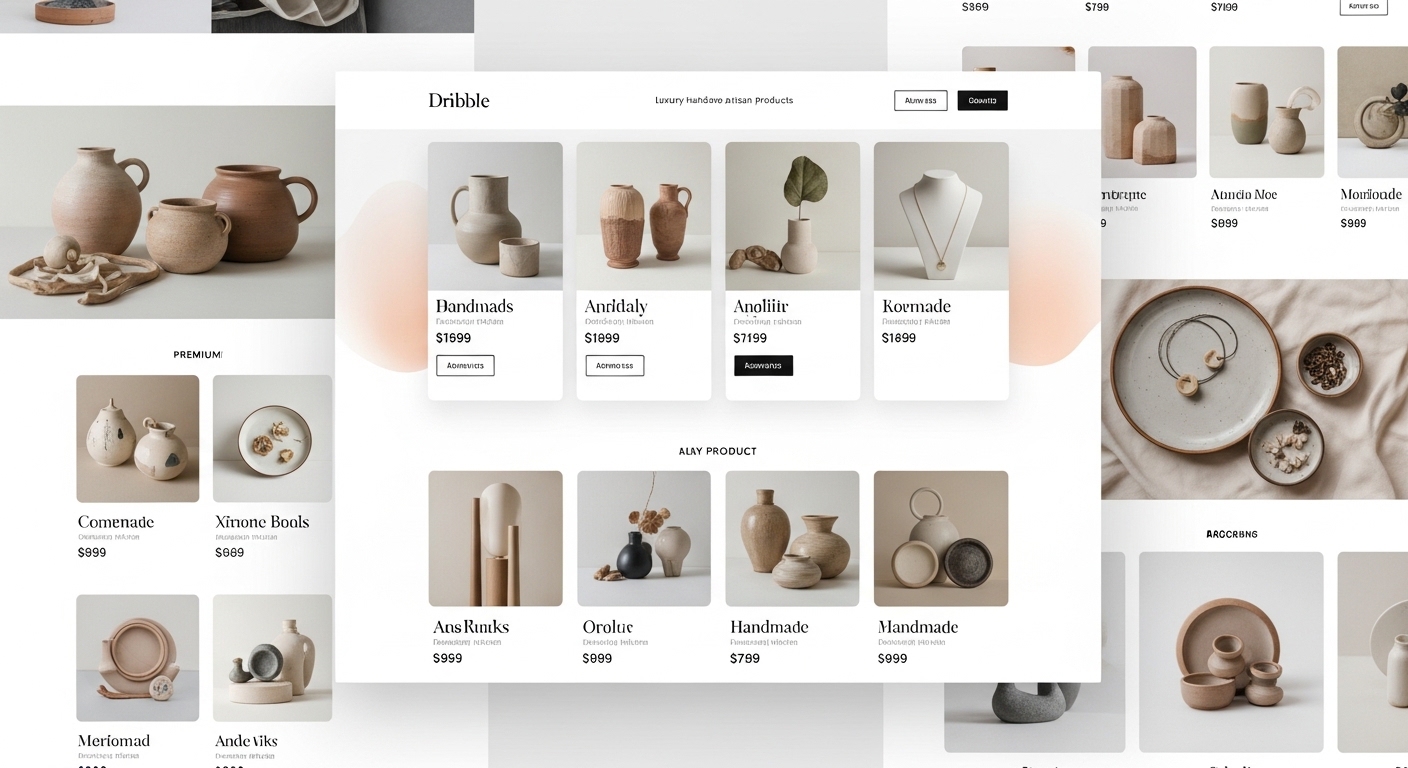
ShopZone E-Commerce Platform
Multi-vendor e-commerce platform. Integrated payment system, inventory management, and analytics dashboard.
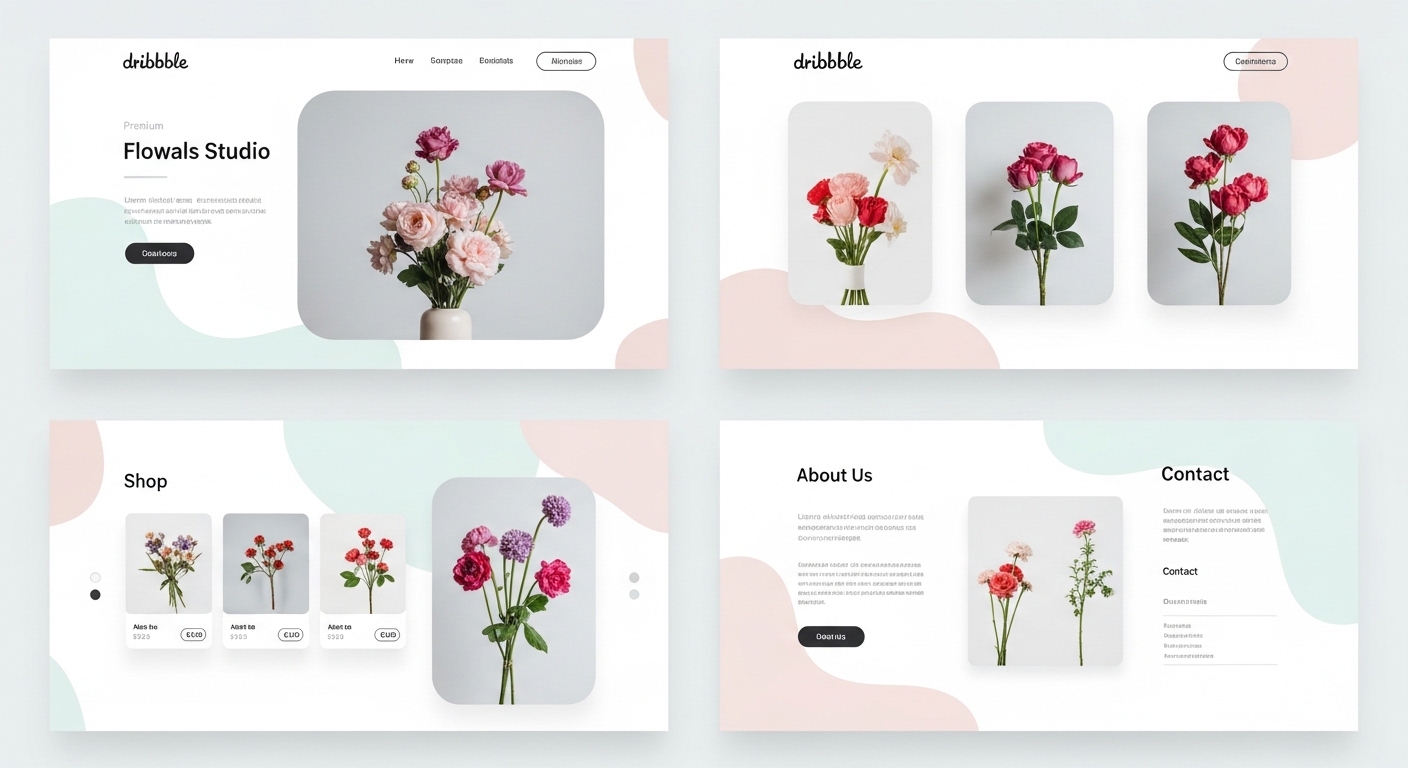
Nova Corporate Website
Modern corporate website for Nova, an energy sector company.
Related guides
Articles to read before deciding on MVP
Guides on MVP roadmap.
Startup
MVP Roadmap: A Market-Validated Product in 4–6 Weeks
We map the MVP roadmap as a week-by-week structured process with fixed scope: discovery, design, development, testing, launch, and post-launch data discipline.
9 min
Startup MVP
How Long Does a Startup MVP Take? The Right Way to Move Fast
4 weeks or 12? Seven factors set MVP duration: scope clarity, team makeup, indecision, tech choice, quality bar, external dependencies, measurement. How speed and discipline coexist.
9 min
SaaS
SaaS Development Roadmap 2026: 8-Phase Plan
From pre-MVP to enterprise, an 8-phase roadmap. Investment, metrics, team scale, hidden traps and typical duration per phase.
9 min
Start an MVP project
After a 30-minute discovery call we share a written 4–6-week MVP roadmap.