
React development
React: the standard language of web frontend
React is the standard language of frontend development. Component-based architecture, the hooks ecosystem, broad library support — the foundation of modern web products.
Quick answer
React development with TypeScript + Vite-based modern frontend, component-driven development, and a test-first approach.
We use React standalone (Vite) or inside Next.js — the choice depends on your team's expertise and product needs.
Standard for React delivery
- TypeScript strict mode
- Component kit + Storybook documentation
- Tests: Vitest + Testing Library + Playwright
- Tailwind CSS or CSS-in-JS, per project
- ESLint + Prettier + Husky pre-commit
100+
Projects shipped
10+
Years of experience
96
City coverage
4.9/5
Customer rating
When do we use React standalone?
Next.js is more efficient in most cases, but plain React (Vite + React Router) still wins in some: enterprise internal tools (no SEO need), embedded apps, projects already on Vite.
We make the call during discovery; once Next.js or Vite + React is chosen, the architecture follows.
Component kit and Storybook
A React project's lifespan correlates directly with the quality of its component kit. All button variants, inputs, modals, cards — all documented in Storybook and runnable in isolation.
This kit serves both the design team (code that mirrors Figma components) and the onboarding process for new developers. Storybook becomes a top-level documentation page.
State management choice
React Query (TanStack Query) for server state; Zustand or Jotai for client state — our most-used combo. We rarely use Redux now; lower bundle size and less boilerplate alternatives exist.
React Hook Form + Zod validation for form state. This trio significantly reduces the code written for forms.
Test-first approach
Vitest + Testing Library for components; Playwright for end-to-end user flows. Coverage target: 85%+ on business logic, 70%+ on UI components.
Tests run on every PR in CI/CD; failed tests block merges. This catches regression bugs before production.
Frequently asked questions
React is today's healthiest choice for ecosystem size and hireability. Vue and Svelte are good tools but can't yet rival React's community and library support.
Always function components + hooks for new projects. Class components are legacy. Existing class projects can migrate gradually.
Tailwind CSS in most of our projects — performance advantage and fast iteration. CSS-in-JS (vanilla-extract, stitches) when very complex design systems are required.
RSC is part of React but full support comes through frameworks like Next.js. RSC support isn't fully there in plain React + Vite.
Yes. We start with code review + roadmap. Common modernizations: class to function, Redux to Zustand/React Query, CRA to Vite migration.
Locations
Locations where we ship React projects
We deliver React development across global hubs.
Selected projects
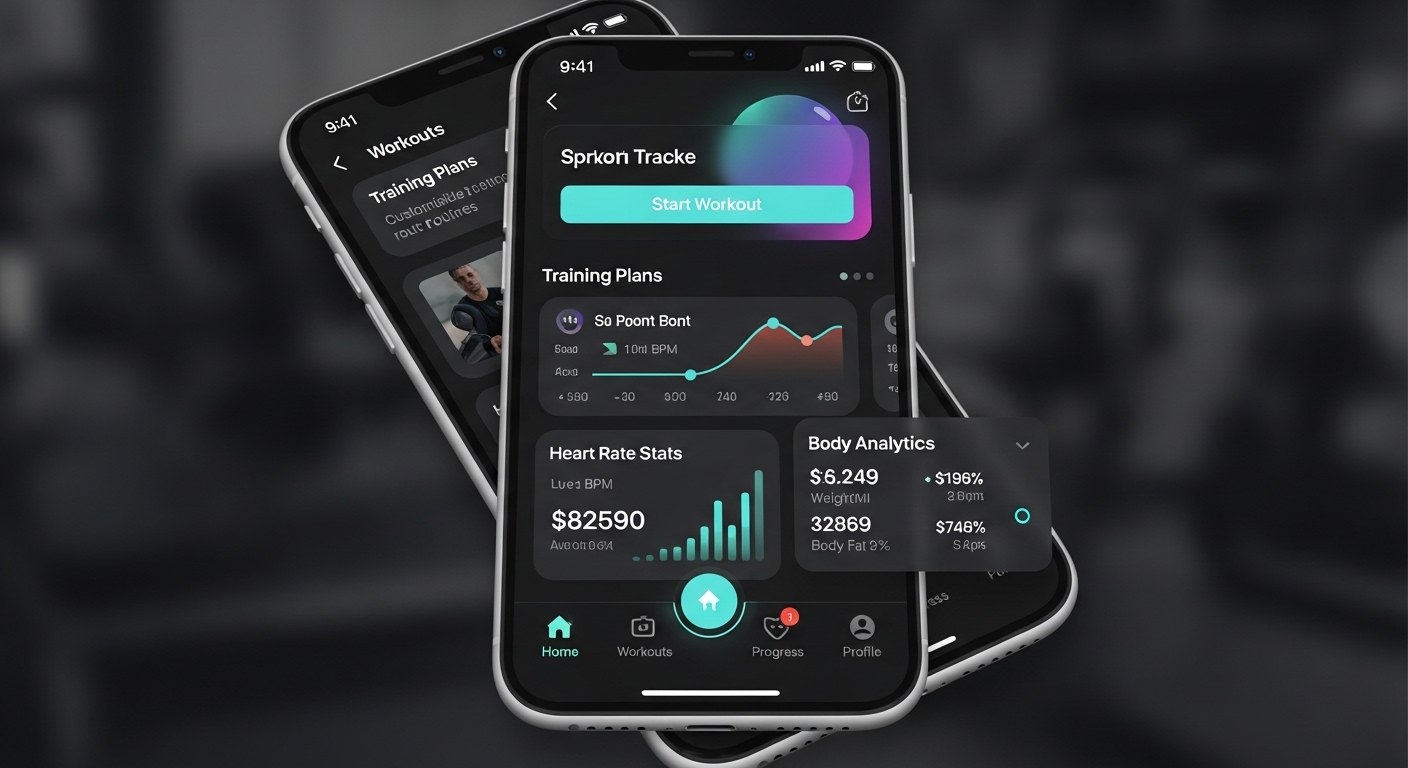
FitTrack Mobile App
Personal fitness tracking and workout planning app. 50,000+ active users on iOS and Android platforms.
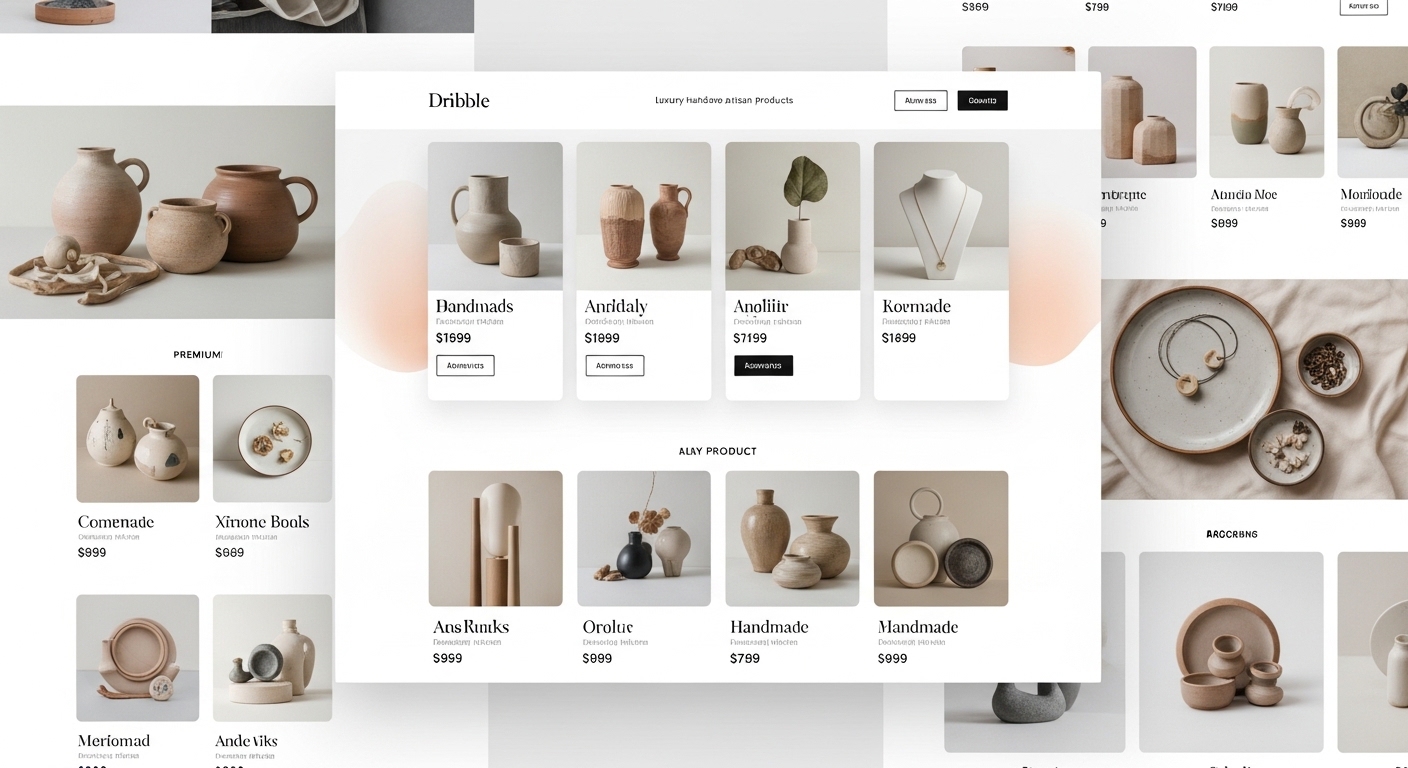
ShopZone E-Commerce Platform
Multi-vendor e-commerce platform. Integrated payment system, inventory management, and analytics dashboard.
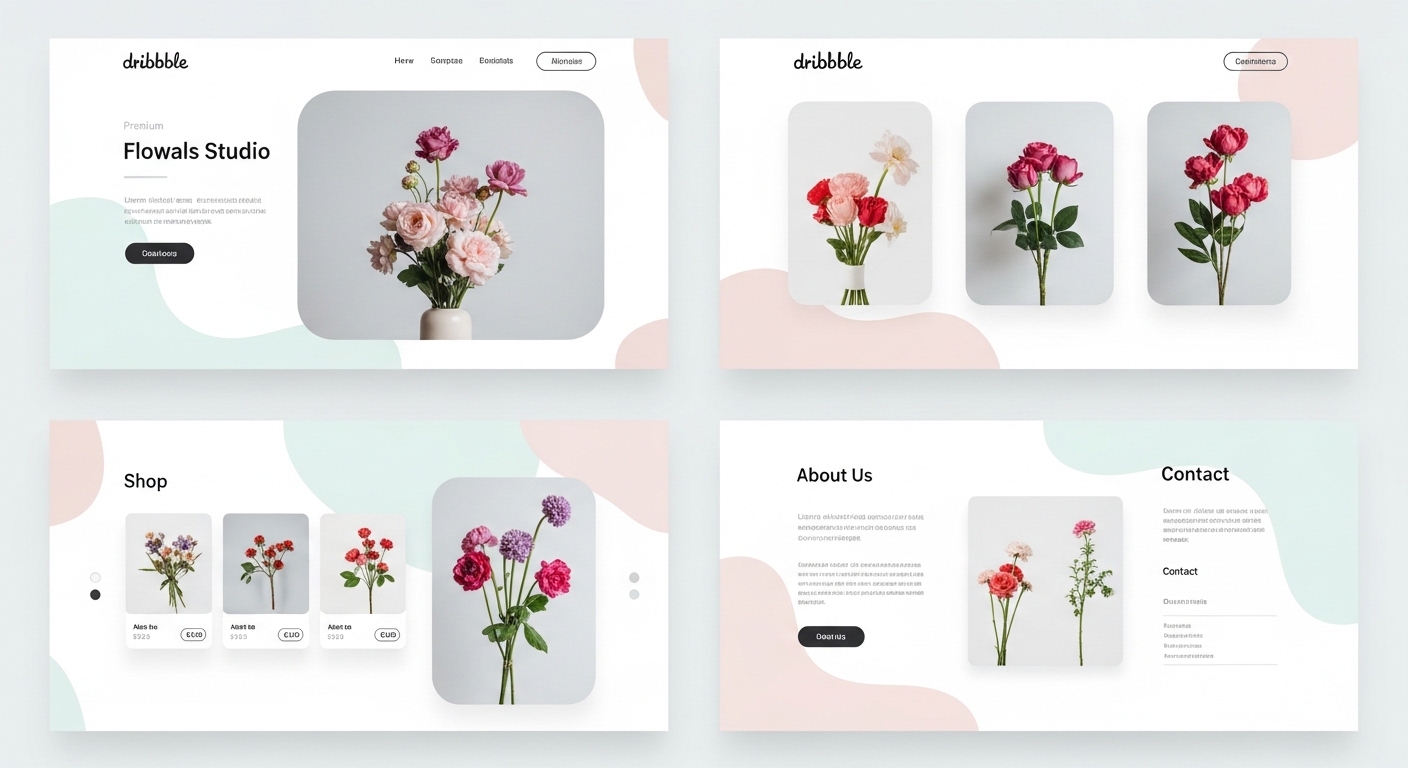
Nova Corporate Website
Modern corporate website for Nova, an energy sector company.
Related guides
Articles to read before deciding on React
Guides on frontend stack choice.
Software Development
Software Development Methods 2026: Modern Stack, Process and Discipline
Stack selection, architecture, test strategy, CI/CD, AI-assisted coding, observability, team rhythm. 8-heading modern software discipline.
9 min
Tech Comparison
Next.js vs React (Vite) 2026: Modern Web Decision Guide
RSC, routing, performance, SEO, deploy, bundle, ecosystem, migration. 8-heading data-driven Next.js vs React/Vite decision matrix.
9 min
Decision Guide
Corporate Website vs E-commerce 2026: Detailed Decision Guide
Sales model, volume, content, architecture, SEO, cost, hybrid + sector scenarios. 8-heading data-driven decision matrix.
9 min
Start a React project
After a 30-minute discovery call we share our React + stack recommendation in writing.