
Node.js development
Node.js: fast, scalable JavaScript backend
Node.js is the only backend language where your frontend developers can also contribute — typed quality is guaranteed via TypeScript.
Quick answer
Node.js development with TypeScript + Express / NestJS / Fastify — high-performance backend, REST/GraphQL API, and real-time services.
Express, NestJS, or Fastify — we decide which fits your product and ship it.
Standard for Node.js delivery
- TypeScript strict mode (always)
- Postgres + Prisma type-safe DB layer
- REST or GraphQL (tRPC included)
- BullMQ for job queue, Redis for cache
- Sentry + structured logging (pino)
100+
Projects shipped
10+
Years of experience
96
City coverage
4.9/5
Customer rating
Express, NestJS, Fastify — which to pick?
Express is the most common but the loosest in structure; ideal for small projects to keep it lean. NestJS brings Angular-style modularity, great for long-term sustainability in enterprise. Fastify is performance-focused, preferred where throughput is critical.
We recommend NestJS in most cases because code structure stays consistent across a team — when a developer leaves, another can ramp up quickly.
Type safety: tRPC vs REST vs GraphQL
Three ways to ensure type safety between frontend and backend: REST (manual type sync), GraphQL (auto-types via codegen), tRPC (TypeScript-native end-to-end types). For most Next.js + Node.js projects, tRPC is the fastest path.
REST or GraphQL fits when a public API is needed because tRPC is bound to the TypeScript ecosystem. The API consumer (internal tools or public API) drives the choice.
Job queue and background work
Node.js's event loop isn't suitable for long-running tasks. Sending emails, image resize, AI calls — all go to a background queue. We implement with BullMQ + Redis.
HTTP requests stay fast; background tasks run in parallel; failure handling (retry, exponential backoff, dead-letter queue) ships ready.
Performance and monitoring
Monitoring Node.js performance in production isn't optional. Sentry for error tracking, pino for structured logging, OpenTelemetry for distributed tracing — all configured day one.
Bottlenecks are usually DB queries, external API calls, or wrong cache strategy. Caught proactively; alerts fire when needed.
Frequently asked questions
If your team already has Python, stay on Python. For new projects with JavaScript frontends, Node.js + TypeScript is more efficient — one language, one type system.
Yes — Netflix, LinkedIn, and Uber run on Node.js. Horizontal scale via cluster mode, PM2, or k8s pods is standard.
Bun is a promising alternative; it's still ramping toward production-ready status. Worth testing in new MVPs; Node.js is still the enterprise-scale standard.
Required in our production projects. Significant advantage in type safety, refactor ease, and error reduction over plain JS.
Yes. We run a code review + roadmap revision-based takeover process.
Locations
Locations where we ship Node.js projects
We deliver Node.js development across global hubs.
Selected projects
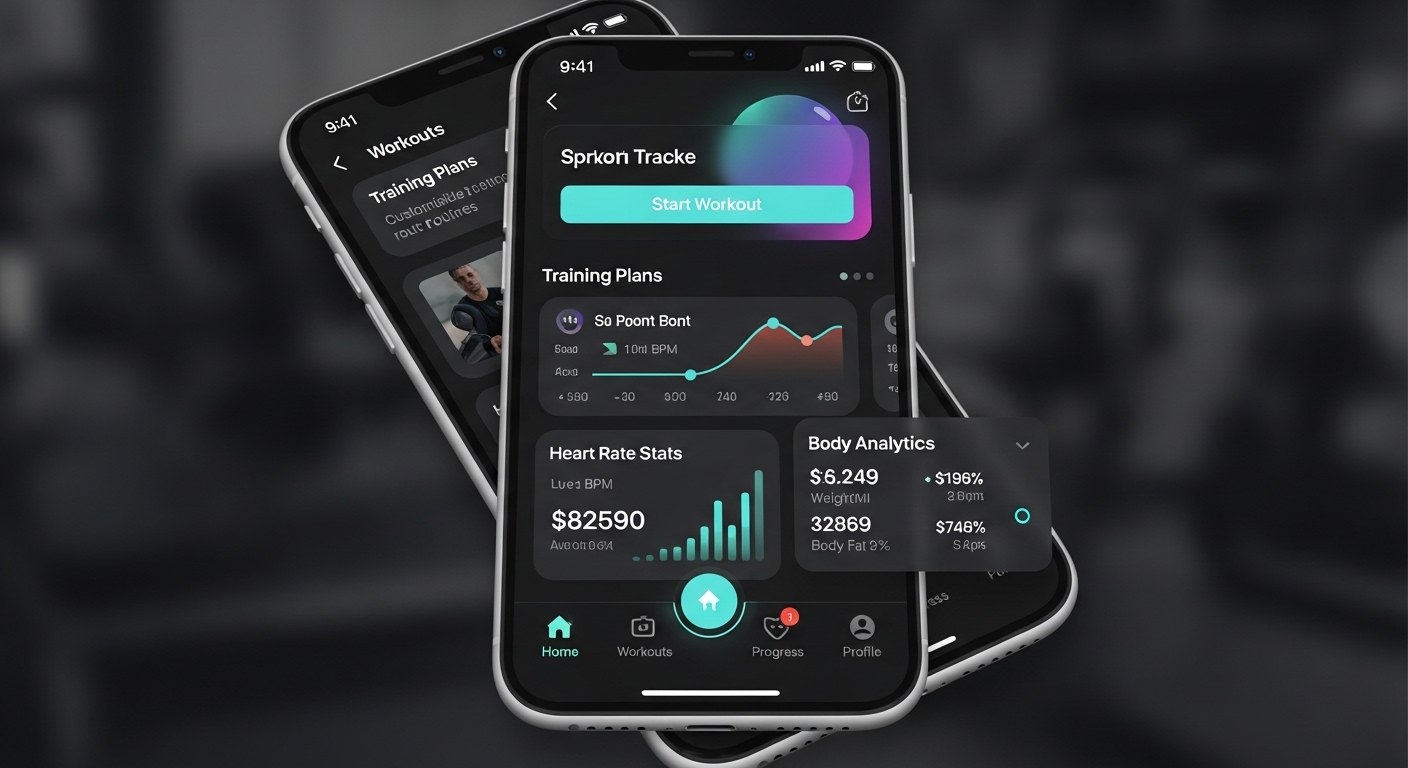
FitTrack Mobile App
Personal fitness tracking and workout planning app. 50,000+ active users on iOS and Android platforms.

ShopZone E-Commerce Platform
Multi-vendor e-commerce platform. Integrated payment system, inventory management, and analytics dashboard.
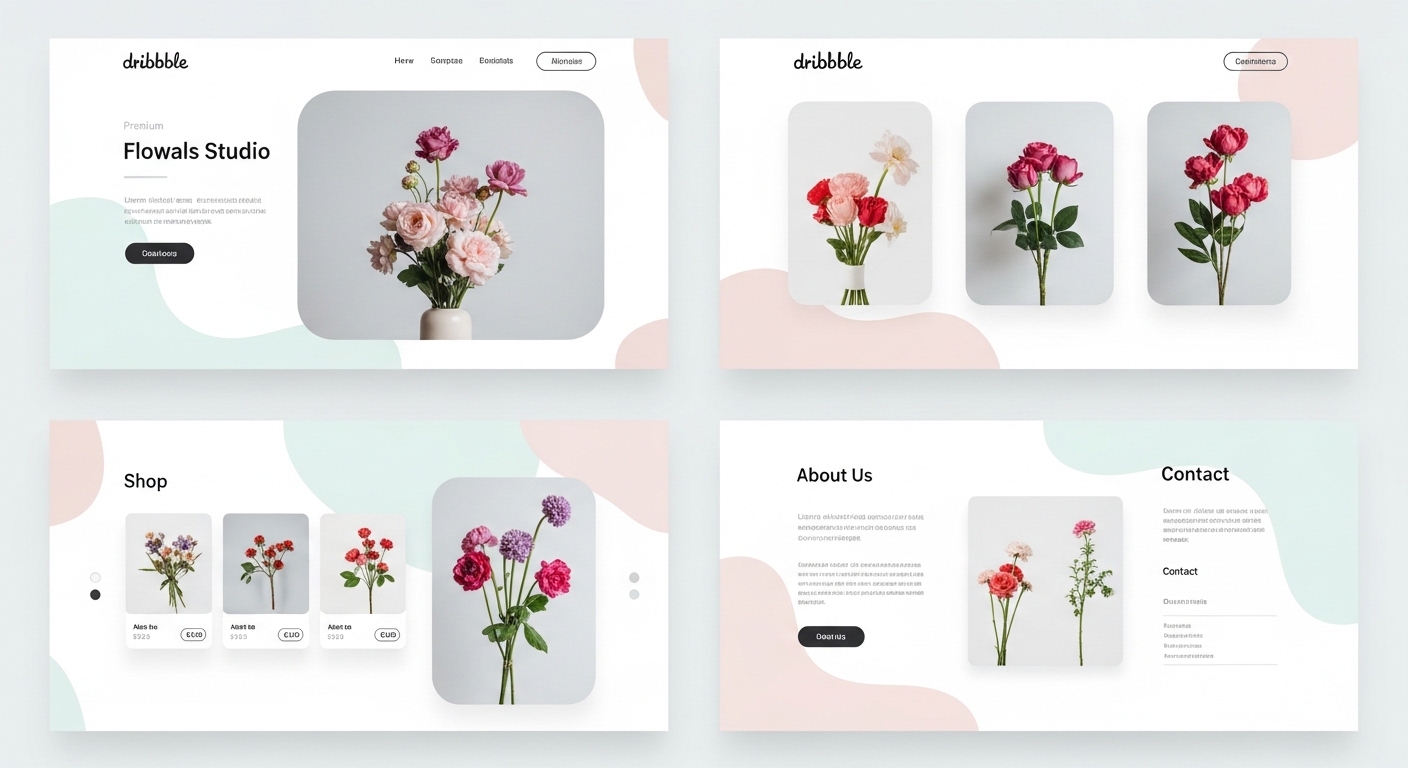
Nova Corporate Website
Modern corporate website for Nova, an energy sector company.
Related guides
Articles to read before deciding on Node.js
Guides on backend stack choice.
Software Development
Software Development Methods 2026: Modern Stack, Process and Discipline
Stack selection, architecture, test strategy, CI/CD, AI-assisted coding, observability, team rhythm. 8-heading modern software discipline.
9 min
Tech Comparison
Next.js vs React (Vite) 2026: Modern Web Decision Guide
RSC, routing, performance, SEO, deploy, bundle, ecosystem, migration. 8-heading data-driven Next.js vs React/Vite decision matrix.
9 min
Decision Guide
Corporate Website vs E-commerce 2026: Detailed Decision Guide
Sales model, volume, content, architecture, SEO, cost, hybrid + sector scenarios. 8-heading data-driven decision matrix.
9 min
Start a Node.js project
After a 30-minute discovery call we share our backend stack recommendation in writing.