
AI application
AI application: product structure changed in 2026
AI application development — LLMs like Claude, GPT, Gemini have become product foundations. RAG, AI agents, fine-tuning, vector search.
Quick answer
AI application development: Claude / GPT / Gemini API integration, RAG, AI agents, fine-tuning — production-grade AI products.
Production-grade AI applications: rate limit management, fallback strategy, cost optimization, prompt engineering, evaluation — all part of the standard package.
Standard for AI application delivery
- Claude / GPT / Gemini API integration
- RAG (vector database + retrieval)
- AI agent (multi-step, tool use)
- Prompt engineering + evaluation
- Cost monitoring + rate limit management
100+
Projects shipped
10+
Years of experience
96
City coverage
4.9/5
Customer rating
Core patterns of AI applications
Modern AI applications run on 4 main patterns: 1) Single-shot LLM call (general chatbot, content generation), 2) RAG (linking user data to LLM — knowledge base, document QA), 3) Multi-step agent (tool use, multi-turn conversation), 4) Fine-tuned model (company-specific language, tone).
We pick by product need. RAG is enough for most enterprise use; agent is added when needed; fine-tuning is last resort.
Vector database and RAG architecture
RAG is the standard way an AI application works with company-specific data. Postgres (pgvector), Pinecone, Weaviate, or Qdrant — vector database choice depends on project size.
Embedding model choice (OpenAI text-embedding-3, Cohere, Anthropic) is a separate decision; embedding quality directly affects RAG output. Hybrid search (vector + keyword) is our standard.
Cost and rate-limit management
Two things to watch when an AI application hits production: cost and rate limit. Most LLM APIs are pricey; cost monitoring is mandatory day one. We set up alarm systems on Anthropic / OpenAI dashboards.
Rate-limit management: queueing, exponential backoff, fallback model (GPT-3.5 instead of GPT-4), prompt caching (Anthropic offers it), batch API. These can cut cost by 50–80%.
Evaluation and prompt engineering
AI application quality comes from prompt engineering and evaluation. Writing good prompts — context, examples, structured output — is half the quality. The other half is evaluation: which prompt version answered better?
We set up A/B test frameworks and eval suites; have humans annotate during the process. We iteratively improve prompts.
Frequently asked questions
Anthropic Claude (often preferred), OpenAI GPT, Google Gemini, Mistral. We pick based on use case and cost.
Yes. Anthropic / OpenAI Enterprise plans guarantee data privacy (not used for training). For on-premise deployment we can run open models (Llama / Mistral) locally.
Two parts: development cost (fixed scope) and runtime LLM API cost (usage-based). We estimate runtime cost during discovery based on usage volume.
Most often, no. RAG + good prompt engineering is enough. Fine-tuning is last resort when special tone, format, or domain language is required.
Customer support automation, content generation, document QA, code analysis, sales process automation, manufacturing-metric interpretation. Sector-agnostic.
Locations
Locations where we ship AI application projects
We deliver AI application development across global hubs.
Selected projects
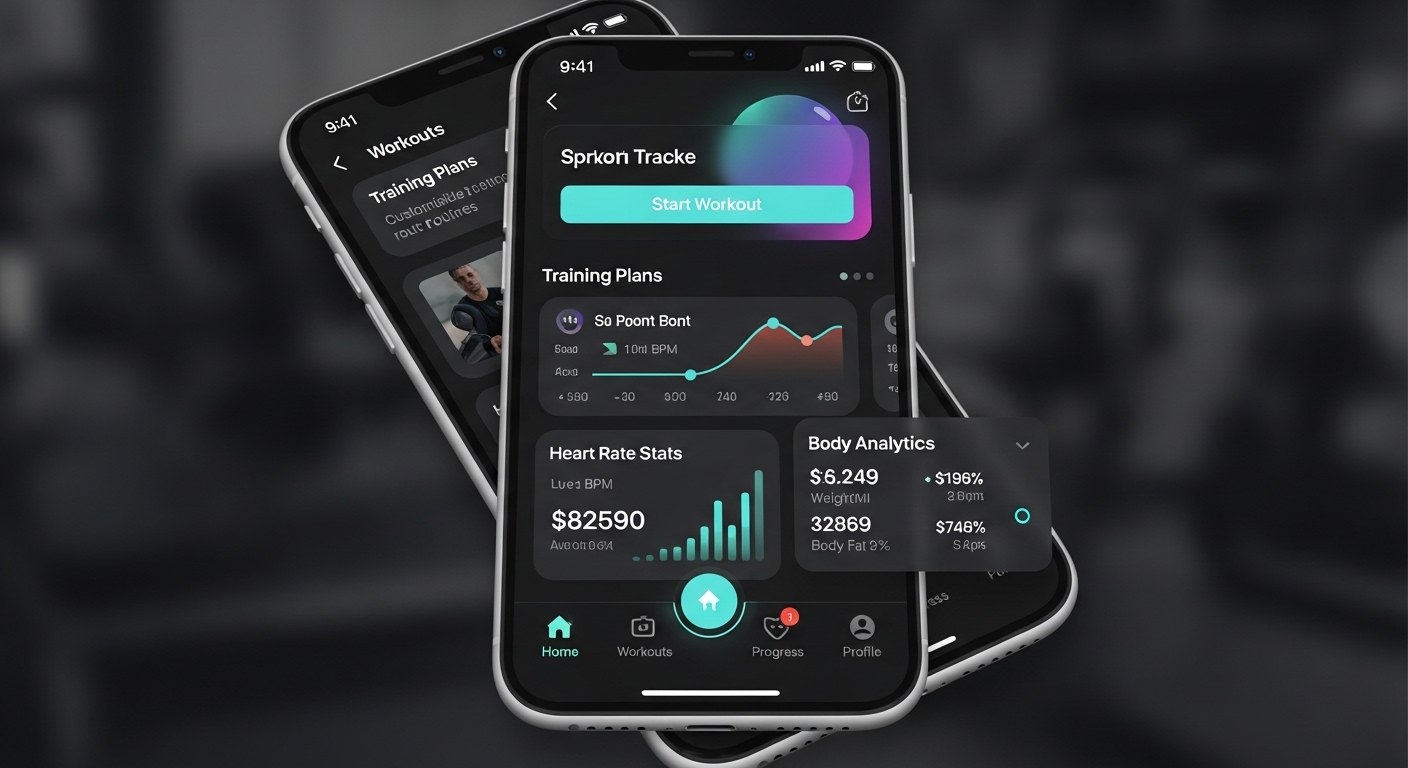
FitTrack Mobile App
Personal fitness tracking and workout planning app. 50,000+ active users on iOS and Android platforms.
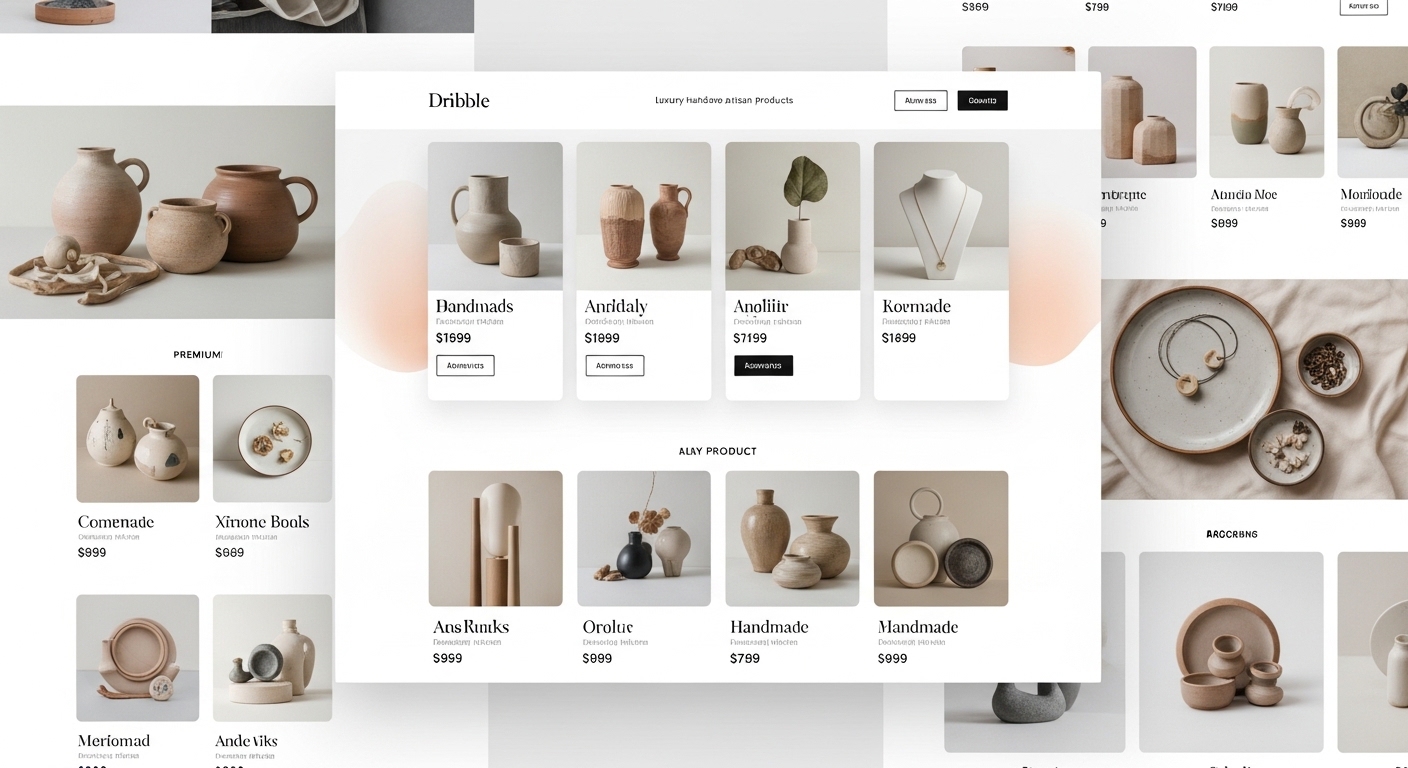
ShopZone E-Commerce Platform
Multi-vendor e-commerce platform. Integrated payment system, inventory management, and analytics dashboard.
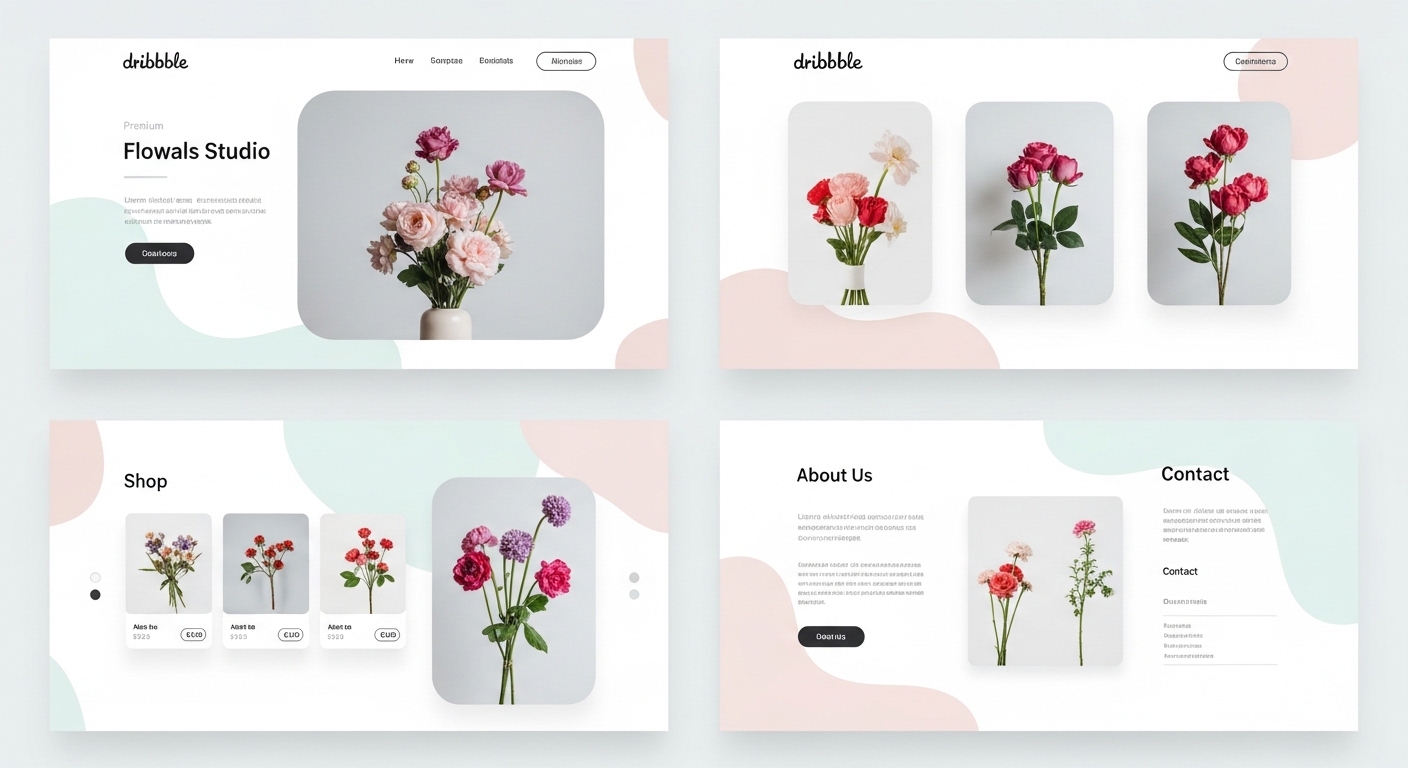
Nova Corporate Website
Modern corporate website for Nova, an energy sector company.
Related guides
Articles to read before deciding on AI
Guides on AI application and LLMs.
Software Development
Software Development Methods 2026: Modern Stack, Process and Discipline
Stack selection, architecture, test strategy, CI/CD, AI-assisted coding, observability, team rhythm. 8-heading modern software discipline.
9 min
Enterprise
ERP Software Selection Criteria 2026: Off-the-Shelf or Custom?
SAP, Logo, Mikro or custom ERP? 8 headings on TCO, process-fit, regulation, scale, team, ROI, exit strategy decision matrix.
9 min
AI
AI Chatbot Customer Support Automation 2026: Detailed Guide
From rule-based to LLM + RAG, escalation, measurement, omnichannel, KVKK, team training, ROI. 8-heading implementation guide.
9 min
Start an AI application project
After a 30-minute discovery call we share a written AI application roadmap.